Algorithmic Table Minimum Adjustments in Response to Real-Time Occupancy Data at Virtual Blackjack Tables
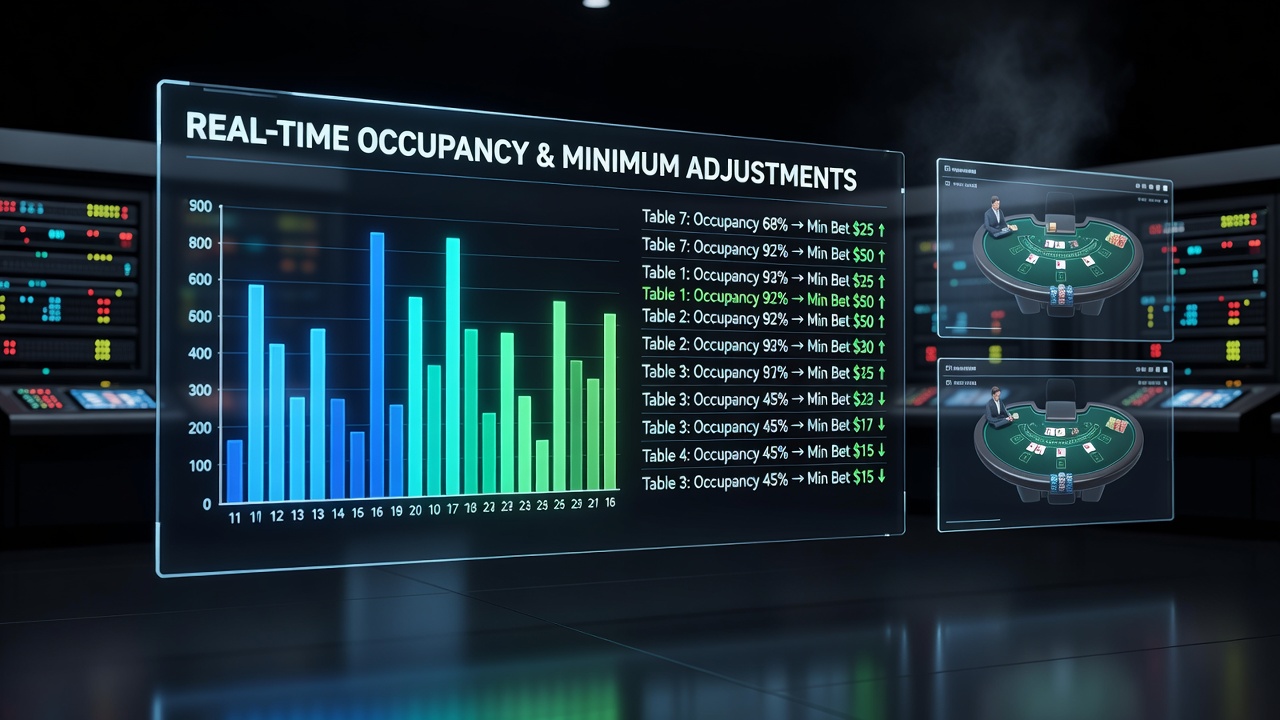
Virtual blackjack platforms have integrated algorithmic systems that monitor table occupancy in real time and adjust minimum bet requirements accordingly, and these mechanisms draw from continuous data streams generated by player connections across multiple sessions. Operators collect metrics on active seats per table while algorithms process occupancy percentages to determine when limits should rise or fall, and this approach maintains table balance without manual intervention from staff.
How Occupancy Data Feeds into Adjustment Algorithms
Systems track the number of seated players at each virtual table through session logs and connection timestamps, then feed those figures into decision models that evaluate demand patterns over short intervals. When occupancy exceeds defined thresholds the algorithm raises the minimum bet to encourage turnover, whereas lower occupancy triggers reductions that draw in additional participants and this process repeats across tables in coordinated cycles. Data pipelines pull from backend servers that log every login and seat selection, allowing adjustments to occur within seconds of detected changes rather than at fixed schedule points.
Engineers design the models to incorporate historical occupancy trends alongside live inputs so that sudden spikes in player volume do not trigger unnecessary limit increases. Threshold values often sit at 60 percent and 80 percent occupancy, with separate rules applied during peak evening hours versus quieter daytime periods, and these parameters receive periodic recalibration based on aggregated platform statistics.
Implementation Across Major Platforms in 2026
By June 2026 several large virtual casino networks had deployed updated versions of these adjustment engines, and platform operators reported smoother table distribution during high-traffic windows. One documented rollout involved integration with existing random number generator frameworks so that minimum changes would not interfere with card distribution fairness, while another focused on mobile users whose shorter session lengths required faster response times from the algorithm. Observers note that these updates coincided with broader adoption of cloud-based analytics services that handle the computational load of processing thousands of concurrent tables.

Developers tested the systems against simulated player surges that mimicked real-world events such as major sporting finals or holiday weekends, and results showed reduced instances of overcrowded tables alongside fewer empty ones. The algorithms also factored in table variant popularity, applying different occupancy triggers to classic blackjack versus side-bet heavy versions, and this differentiation helped operators allocate server resources more efficiently across game catalogs.
Regulatory and Compliance Considerations
Regulators in multiple jurisdictions require operators to document how algorithmic changes affect game accessibility and to maintain audit trails of every minimum adjustment. The Nevada Gaming Control Board has issued guidance on transparency standards for dynamic table parameters, while Canadian provincial authorities have examined similar systems for compliance with player protection rules. Industry reports from the Gaming Technology Research Institute indicate that documented adjustment logs now form part of routine compliance submissions in several markets.
Platforms must ensure that players receive clear notifications when minimums change, and many interfaces display updated limits directly on the table screen along with a brief explanation of the occupancy trigger. Testing protocols require verification that adjustments do not create unintended barriers for lower-stake participants, and third-party auditors review sample data sets to confirm consistency with published rules.
Technical Architecture and Data Integration
The underlying architecture combines real-time databases with machine learning layers that refine prediction accuracy over successive weeks of operation. Occupancy signals arrive from client applications every few seconds, pass through filtering modules that remove outlier connections, and then enter the core decision engine. Integration with player account systems allows the algorithm to consider average bet sizes at a given table when deciding whether an increase will sustain activity levels, and this multi-variable approach reduces the frequency of corrective reversals.
Security measures include encryption of occupancy data streams and access controls that limit algorithm parameter changes to authorized personnel. Redundancy protocols ensure that if one data center experiences latency the system hands off to backup nodes without interrupting table operations, and these safeguards have become standard in platforms handling high volumes of virtual table traffic.
Conclusion
Algorithmic management of virtual blackjack table minimums continues to evolve alongside improvements in data processing speed and regulatory frameworks. Platforms operating in June 2026 demonstrate how real-time occupancy inputs translate into automated limit changes that affect table availability across global user bases, and ongoing documentation from oversight bodies supports consistent application of these technologies. Further refinements are expected as operators collect additional performance metrics from expanded deployments.