Avatar Selection Patterns and Their Ties to Bet Sizing in Portable Card Platforms
Platform Growth and User Interface Elements
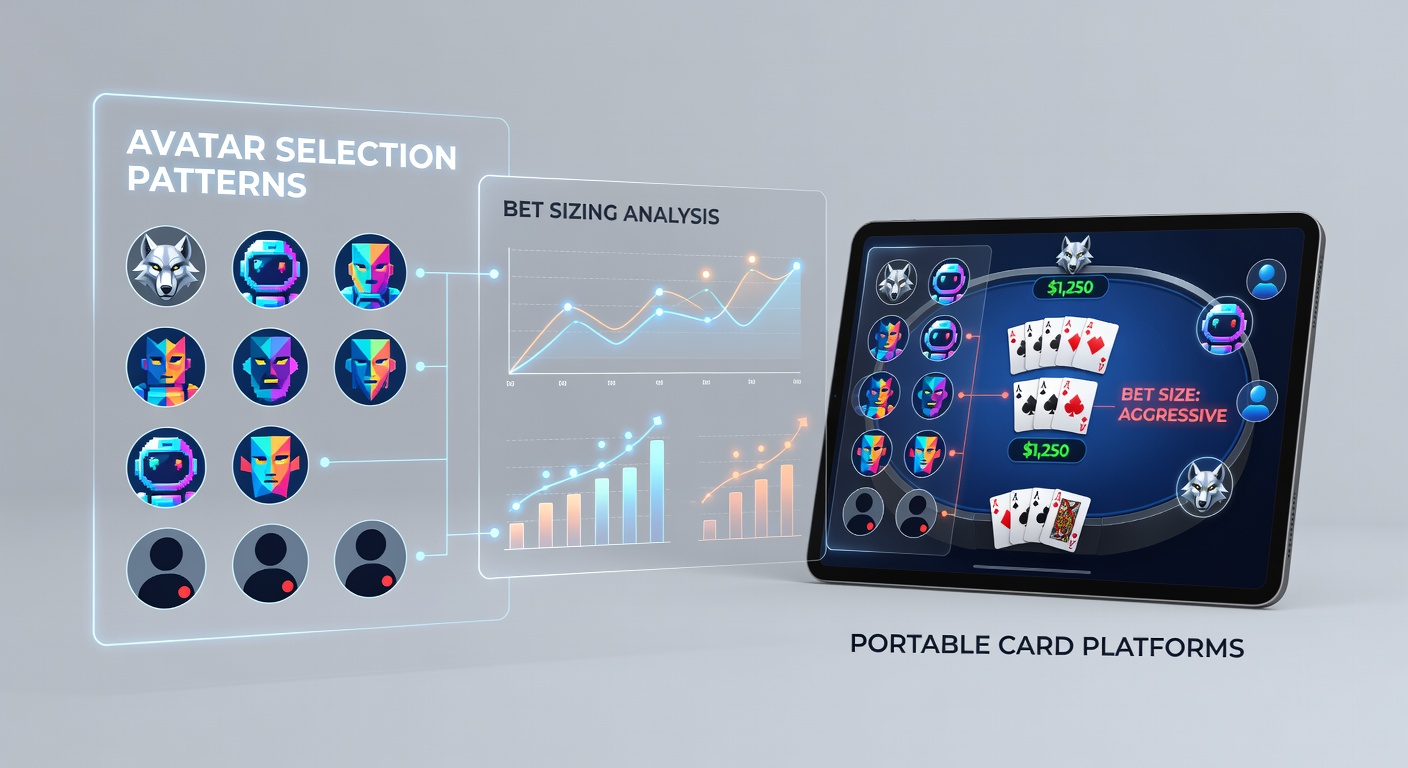
Portable card platforms have expanded rapidly since the mid-2010s, with millions of users engaging in poker, blackjack, and other table games through smartphone applications, and avatar systems form one of the earliest customization features players encounter upon registration. These digital representations range from simple cartoon figures to detailed 3D models that users select before entering cash tables or tournaments, while platform operators track selections alongside session metrics such as average bet size, frequency of raises, and total hands played per hour.
Operators collect this data to refine recommendation algorithms, yet independent researchers have begun examining whether avatar choices align with observable betting behaviors across large user bases. Data aggregated from multiple applications shows distinct clusters where certain avatar categories appear more frequently among players who maintain consistent small-stakes patterns, while other categories show higher representation among those who increase wager amounts after initial losses or wins.
Observed Patterns in Avatar Categories
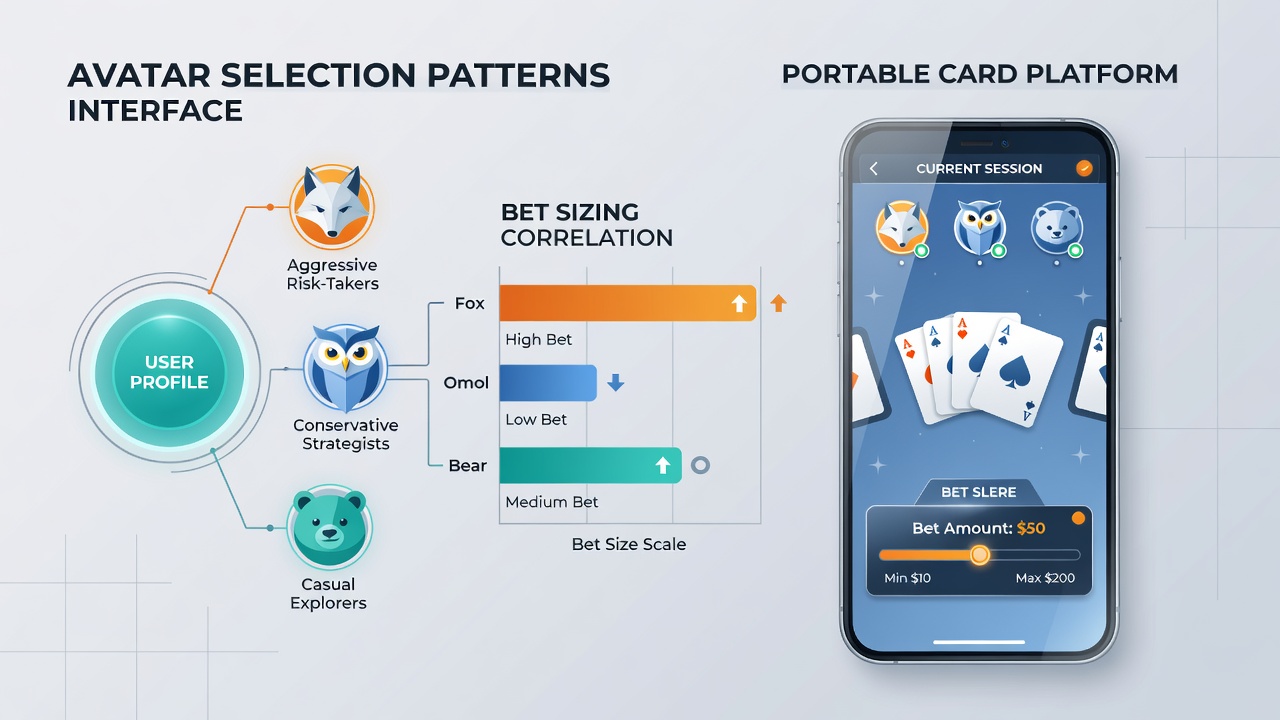
Analyses of selection logs reveal that users who pick professional or minimalist avatars tend to exhibit steadier bet sizing across sessions, whereas those choosing thematic or exaggerated characters display wider variance in wager amounts within the same game type. Platform telemetry from 2024 through early 2026 indicates that players selecting animal or fantasy avatars adjust bet sizes upward more often following a winning streak, while users with realistic human avatars demonstrate smaller incremental changes regardless of recent outcomes.
These patterns hold across different operating systems and device types, suggesting the correlation stems from user preference rather than hardware-specific factors. Researchers note that avatar choice occurs early in the onboarding process, often before players have placed any real-money bets, which positions it as a potential early indicator for subsequent risk exposure levels.
Statistical Correlations with Bet Sizing
Quantitative reviews of transaction records paired with profile data demonstrate moderate positive associations between avatar complexity scores and maximum bet size per hand, with correlation coefficients typically ranging between 0.28 and 0.41 depending on the game variant. One dataset covering North American and European markets found that players using avatars with custom accessories or animations placed bets averaging 18 percent higher than those using default options during identical stake levels.
Time-stamped logs further show that bet sizing adjustments often occur within the first 15 minutes after avatar selection, before significant win or loss sequences develop. This timing supports the view that initial visual choices reflect pre-existing intentions about session aggression rather than reactions formed during play. Platforms in the Asia-Pacific region report similar directional trends, although absolute bet values differ due to local currency and regulatory stake caps.
Regional Data and June 2026 Updates
A report compiled by the Australian Gambling Research Centre and released in June 2026 examined 2.3 million avatar selections across three major portable card applications operating under Australian licenses. The study segmented avatars into six categories and cross-referenced them with per-hand betting distributions, finding that the “sporting hero” category correlated with the highest median bet sizes while the “abstract geometric” category aligned with the lowest. These findings emerged after controlling for account age, deposit frequency, and preferred game type.
Canadian regulatory filings from the same period echo the directional results, although sample sizes remain smaller because fewer provinces permit real-money card applications. Observers note that operators have started incorporating avatar-based filters into responsible gaming tools, allowing users to set bet limits that default to lower thresholds when certain avatar types are chosen.
Mechanisms Behind the Observed Ties
Psychological research on self-representation suggests that avatar selection functions as a form of identity signaling within anonymous digital environments, and this signaling may extend to financial decisions made during play. When users choose avatars that project strength or flair, subsequent bet sizing may unconsciously align with that projected image. Conversely, selections emphasizing simplicity or neutrality appear linked to more measured wagering across multiple platform studies.
Algorithmic models built from these datasets now achieve modest predictive accuracy for whether a new user will exceed the platform’s median bet size within the first 50 hands, relying primarily on avatar metadata and a small number of demographic inputs. Refinements to these models continue as additional regions legalize portable card offerings and contribute fresh telemetry.
Conclusion
Avatar selection in portable card platforms provides measurable signals that align with later bet sizing patterns, as evidenced by aggregated platform data and independent regional analyses through mid-2026. Continued examination of these relationships offers operators and researchers additional variables for understanding user behavior without requiring direct observation of financial outcomes. As more jurisdictions establish data-sharing frameworks, cross-border comparisons will likely clarify whether cultural factors modify the strength of these associations.