Dissecting Leaderboard Visibility Effects on Staking Adjustments During Virtual Tournament Lulls Across Digital Entertainment Platforms
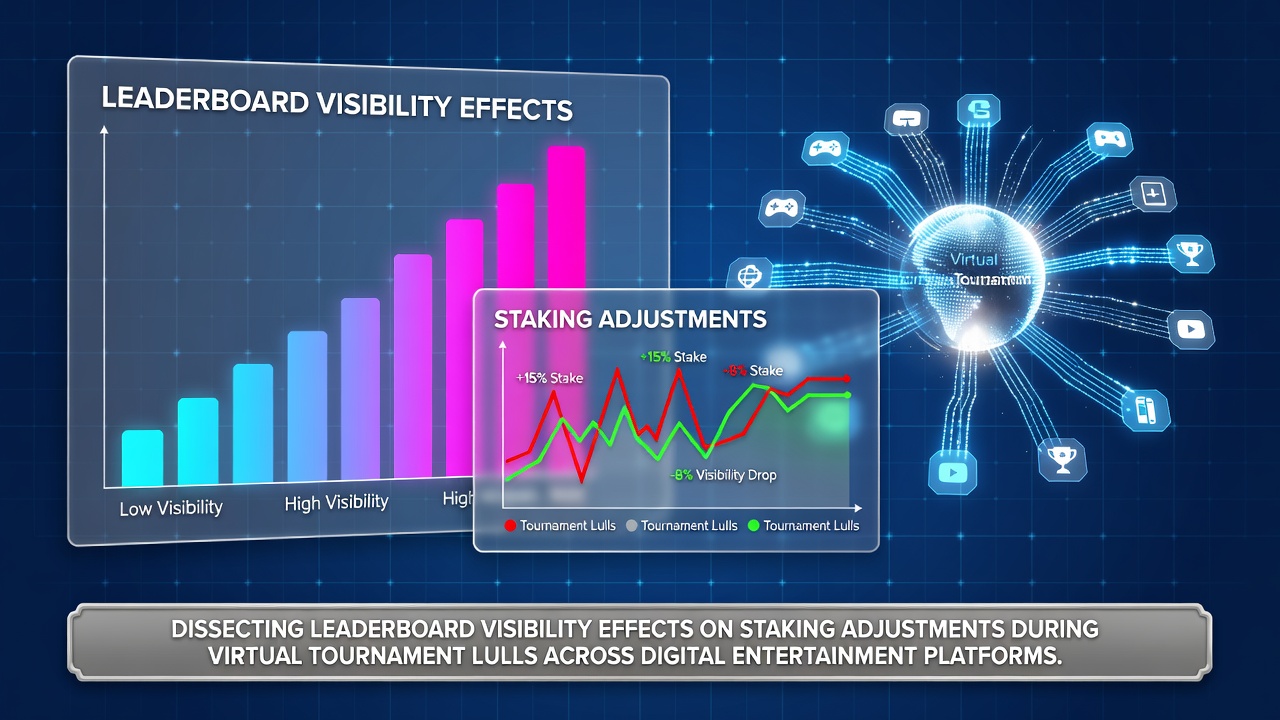
Virtual tournaments on digital entertainment platforms generate significant activity spikes followed by predictable lulls, and researchers have examined how leaderboard visibility influences staking adjustments in those quieter intervals. Data from multiple platforms shows that when rankings remain prominent, participants often modify bet sizes based on their relative positions even as overall engagement drops. Studies conducted through June 2026 indicate these shifts occur across esports titles, online card rooms, and virtual sports exchanges where real-time scoring feeds directly into public displays.
Platform Mechanics During Quiet Periods
Digital entertainment platforms maintain continuous leaderboard updates that persist through low-activity windows, and operators design these systems to retain user attention by highlighting incremental position changes. When tournament volume decreases, the same visibility tools remain active, which leads participants to recalibrate stakes in response to perceived gaps rather than immediate competition pressure. Observers note that this adjustment process relies on algorithmic highlighting of top entries and nearby rivals, creating a feedback loop that continues even when fewer matches occur.
Industry reports from the Nevada Gaming Control Board document similar patterns in regulated online environments where staking interfaces stay accessible during off-peak tournament hours. Participants receive notifications about ranking movements, and these alerts prompt stake increases or decreases depending on whether users see themselves closing gaps or falling behind. The structure encourages ongoing interaction because the leaderboard never pauses, whereas actual tournament rounds slow down.
Observed Staking Patterns and Data Trends
Analyses of transaction logs reveal that visible leaderboards correlate with higher average stake modifications during lulls compared to periods when rankings are hidden or minimized. Researchers at the University of Nevada, Reno tracked user behavior across several platforms and found that stake increases occurred more frequently among mid-tier participants who could view their exact positions relative to leaders. Those positioned near the cutoff thresholds adjusted downward more often when visibility remained constant, suggesting risk calibration tied directly to displayed standings.
Figures from the Interactive Gaming Council further illustrate that platforms incorporating persistent leaderboard elements recorded steadier staking volume through quiet stretches in 2025 and into mid-2026. The data shows these adjustments happen within minutes of ranking updates, indicating rapid response to visual cues rather than delayed strategic planning. External factors such as session length and prior tournament performance also interact with visibility, yet the leaderboard itself serves as the primary trigger for many recorded changes.
Regional Variations in Visibility Implementation
European operators regulated under frameworks from the Malta Gaming Authority apply different visibility settings than their North American counterparts, and these differences produce measurable variations in staking behavior during tournament lulls. Platforms in regions with stricter display rules tend to limit leaderboard prominence outside active rounds, resulting in fewer stake adjustments compared to markets where full rankings stay visible at all times. Australian regulatory data collected by the Australian Communications and Media Authority shows parallel outcomes where reduced visibility during quiet periods corresponds with more stable average bet sizes across user cohorts.
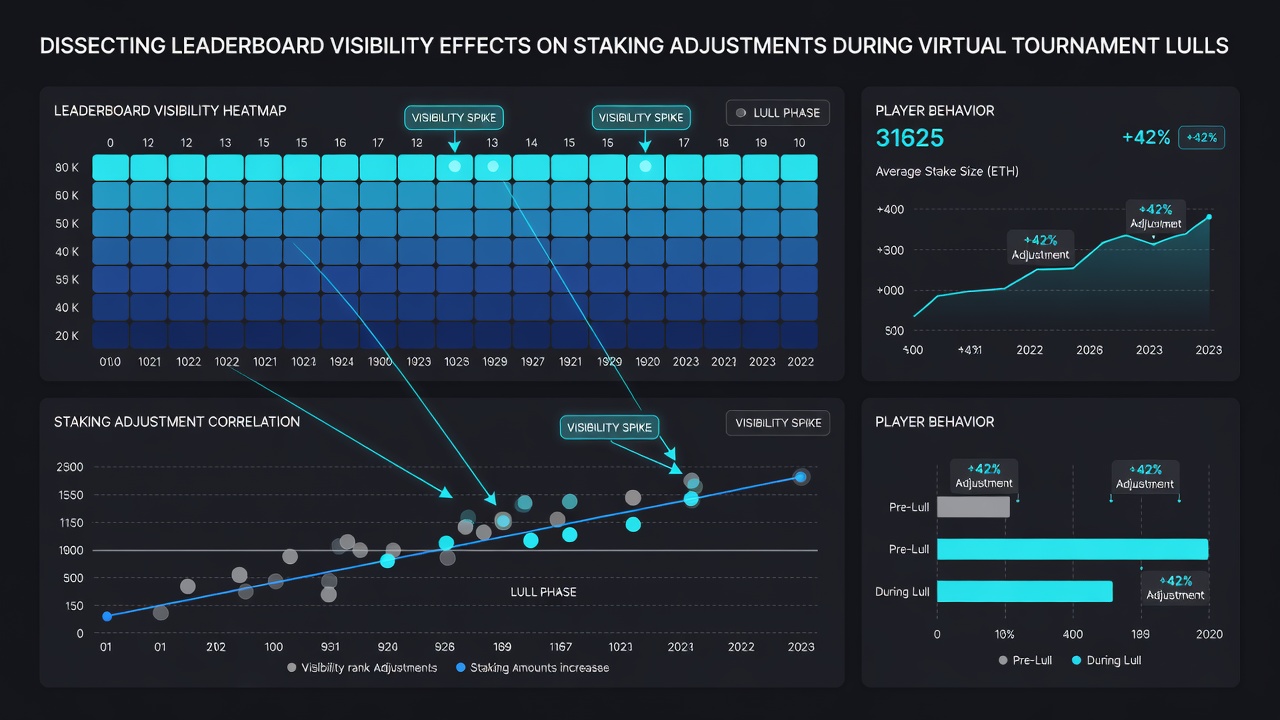
Cross-platform comparisons highlight that users on systems with always-on leaderboards make more frequent but smaller stake tweaks, whereas those on platforms with conditional visibility tend toward larger single adjustments when rankings reappear. The distinction matters because it affects overall platform liquidity during extended tournament breaks that can last several hours or even days in certain formats.
Influencing Variables Beyond Visibility
While leaderboard display plays a central role, additional elements such as notification frequency, historical performance data, and available balance interact with visibility effects. Research indicates that users who receive ranking alerts without corresponding stake suggestions adjust more conservatively than those exposed to both. Platform design choices around default stake presets also shape outcomes, because pre-selected amounts can anchor decisions when participants glance at their current standing.
Demographic breakdowns from aggregated platform analytics reveal age and experience level differences in how visibility translates into staking changes. Newer participants respond more strongly to position shifts during lulls, while experienced users often maintain steadier patterns unless multiple ranking variables align. These patterns hold across different game genres, suggesting the effect stems from the leaderboard mechanism itself rather than title-specific mechanics.
Conclusion
Evidence gathered through mid-2026 demonstrates consistent connections between leaderboard visibility and staking adjustments during virtual tournament lulls on digital entertainment platforms. Regional regulatory approaches and platform-specific design choices modulate the strength of these connections, yet the core relationship persists across markets. Continued monitoring of transaction data will clarify how evolving visibility features influence user behavior in future quiet periods.