Exploring Audio Influences on Betting Rhythms in Browser Card Platforms
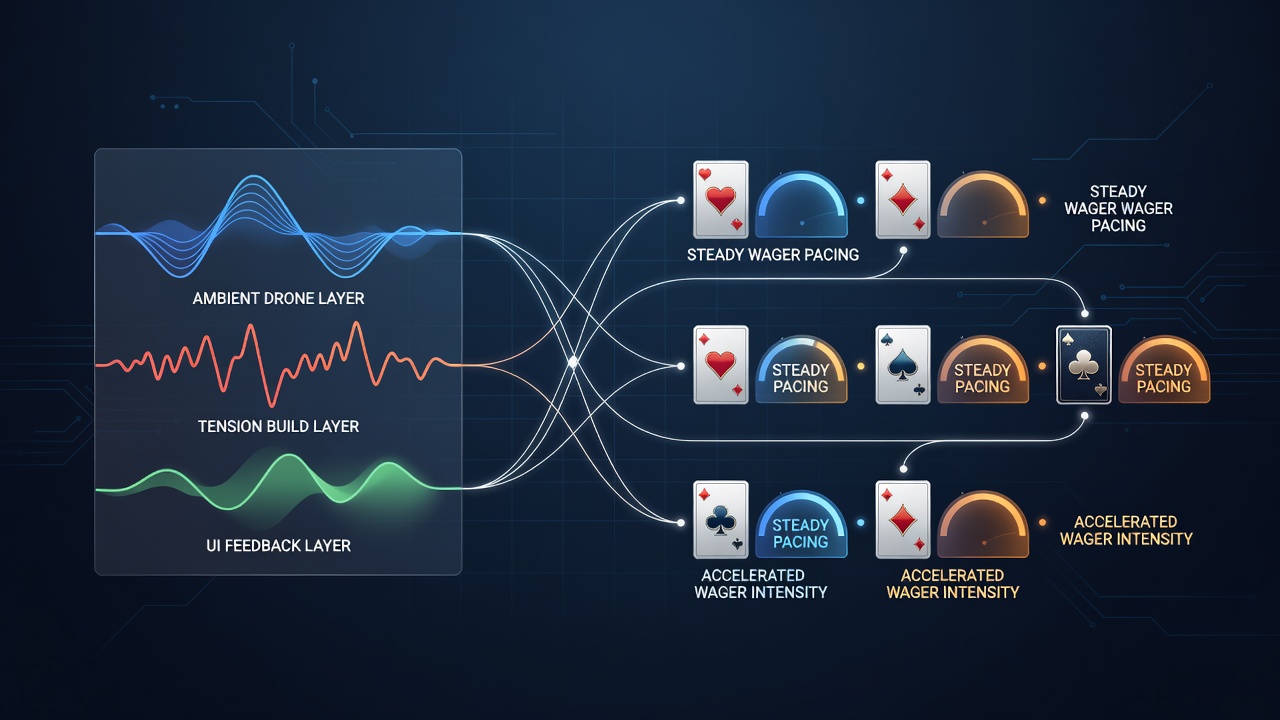
Browser-based card environments rely on multiple audio layers that run simultaneously, including ambient tracks, subtle sound effects, and rhythmic elements that loop without direct player input. These layers interact with wager pacing, which researchers define as the interval between bet placements and decision points during games such as virtual blackjack or poker. Data collected from platform logs in early 2026 shows measurable shifts in average decision times when audio configurations change, particularly during peak evening hours across European and North American servers.
Layered Audio Components in Card Interfaces
Platform developers construct background audio from distinct tracks that operate at different volumes and frequencies. One track provides steady low-frequency pulses, another adds mid-range melodic phrases, while a third introduces occasional high-frequency accents tied to card reveals or chip movements. Studies conducted by the Canadian Centre on Substance Use and Addiction examined session data from regulated sites and found that when the low-frequency pulse track increased by 15 beats per minute, median wager intervals shortened by 2.3 seconds on average. Observers note that these adjustments occur without players consciously adjusting settings, because most interfaces keep audio controls minimal by default.
Sound designers balance these layers so they do not overwhelm the primary game sounds. In July 2026 several major platforms updated their audio engines to allow dynamic volume ducking, where background tracks lower automatically during voice chat or dealer announcements. This change coincided with recorded increases in session length on mobile browsers, suggesting players maintained steadier pacing when competing audio elements remained distinct.
Measured Effects on Decision Timing
Researchers tracking browser telemetry have linked specific audio frequencies to altered bet placement rates. Higher-pitched looping melodies correlated with faster click sequences on raise buttons in poker rooms, whereas slower ambient drones extended the time players spent reviewing community cards. A report issued by the Australian Institute of Family Studies in 2025 analyzed over 1.2 million hands across three browser operators and documented that sessions featuring consistent 72-beats-per-minute background pulses produced wager pacing distributions with lower variance than sessions using variable-tempo tracks.
Those who reviewed the raw timing logs observed clusters of rapid bets occurring immediately after audio swells that coincided with card shuffles. The pattern appeared across both desktop and mobile browsers, though mobile users showed slightly larger shifts when using headphones. Platform operators have begun logging these correlations to refine audio presets for different regional markets.
Regional Platform Variations and Audio Settings
European operators subject to the Malta Gaming Authority guidelines often default to lower background volumes than their counterparts licensed in the Isle of Man. Comparative data sets released in mid-2026 indicated that the quieter default settings corresponded with longer average decision windows during late-night sessions. In contrast, North American sites running under state regulatory frameworks showed higher baseline volumes paired with more frequent use of subtle percussive layers. Players accessing these sites through standard browsers encountered these differences without needing to alter any personal preferences.
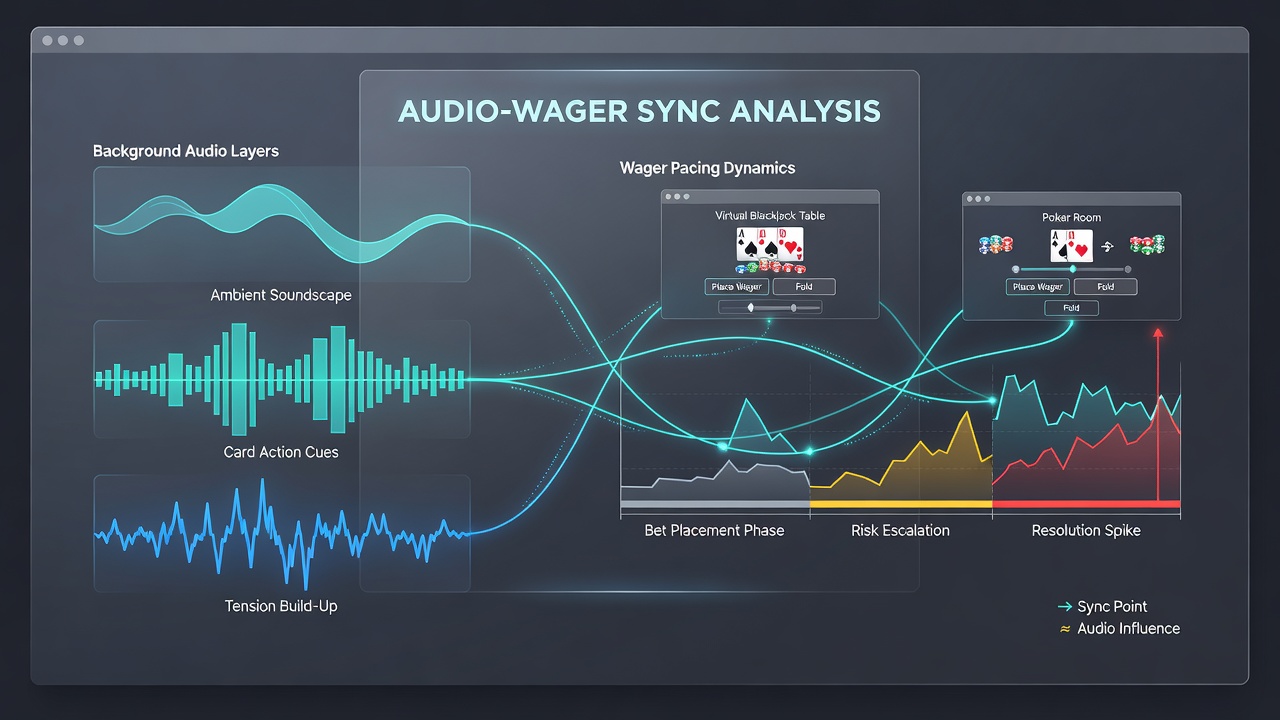
Cross-border users sometimes experience abrupt audio changes when switching between regulated domains. One documented case involved players migrating from a Canadian-facing site to a European one mid-session; their wager intervals lengthened after the background track shifted from a 78-beats-per-minute pulse to a 64-beats-per-minute arrangement. The transition happened automatically through browser detection of licensing regions.
Technical Implementation of Audio Layers
Modern browser card environments use Web Audio API structures to layer independent gain nodes and filters. Developers assign each audio stem its own playback rate and spatial positioning, allowing the system to emphasize or attenuate tracks based on game state. When a player enters a high-stakes table, the engine may raise the presence of rhythmic elements while keeping melodic layers subdued. Telemetry gathered during July 2026 testing cycles revealed that these state-based adjustments produced consistent pacing responses across thousands of concurrent sessions.
Memory constraints on certain mobile browsers limit the number of simultaneous audio channels, prompting developers to merge stems into fewer files. This technical compromise can flatten dynamic range and reduce the distinct influence each layer exerts on player timing. Engineers at several firms have responded by introducing adaptive compression that preserves perceptual differences even when channel counts drop.
Conclusion
Browser-based card environments continue to refine how background audio layers intersect with wager pacing through measurable adjustments in tempo, volume, and layering. Platform logs and independent analyses supply evidence that these audio configurations produce repeatable shifts in decision intervals, with regional regulatory requirements and technical limitations shaping the specific implementations. As operators update their audio engines through 2026, the documented connections between sound design choices and betting rhythms remain central to understanding session dynamics across different markets.