Exploring Device Sensor Data Correlations With Bet Adjustment Patterns in Regulated Mobile Wagering Apps
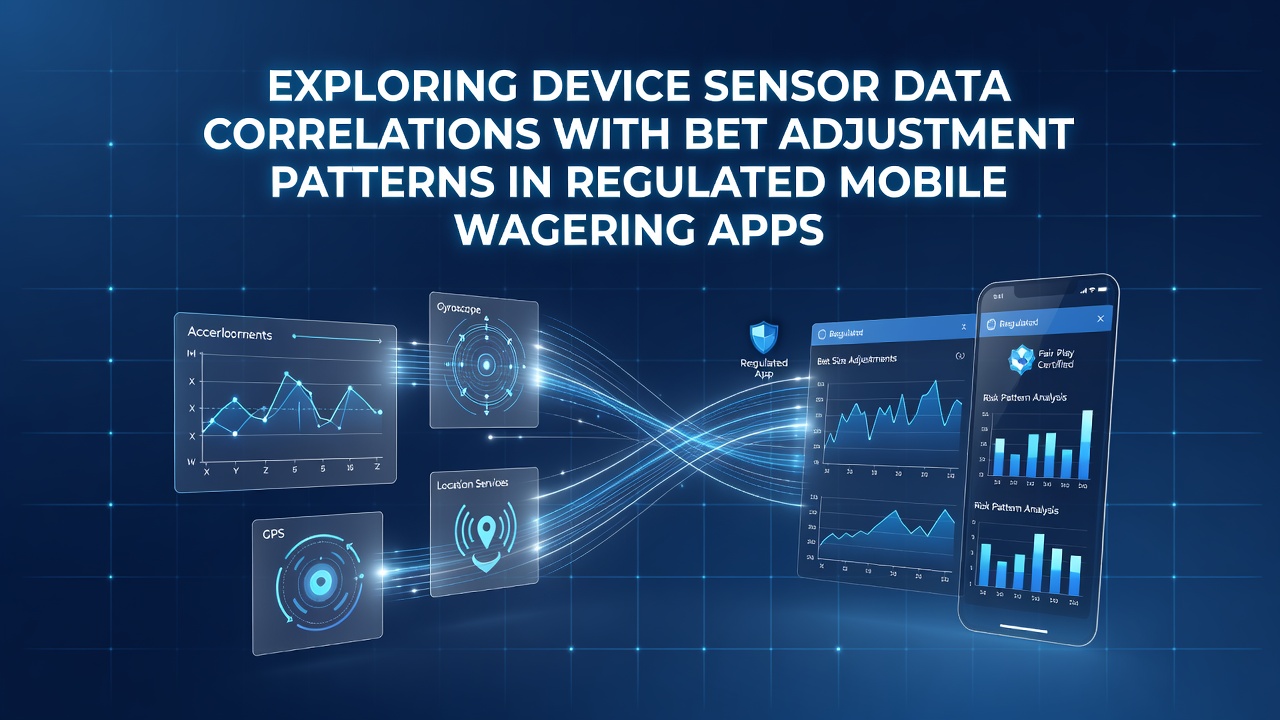
Device sensors embedded in smartphones capture accelerometer readings, gyroscope rotations, GPS coordinates, and ambient light levels during mobile wagering sessions, and researchers have begun mapping these inputs against bet sizing changes in regulated environments across multiple jurisdictions.
Sensor Inputs and Data Collection Frameworks
Accelerometers detect tilt and vibration patterns while gyroscopes record orientation shifts, both of which operators in licensed markets integrate into session logs under data protection rules established by bodies such as the Nevada Gaming Control Board. Location services supply latitude and longitude updates that flag whether a user remains stationary or moves between zones, and light sensors note screen brightness adjustments that often coincide with evening play periods. In July 2026 several platforms updated their compliance dashboards to include these combined data streams after new reporting templates took effect in select North American and Australian markets.
Bet Adjustment Patterns Documented in Regulated Systems
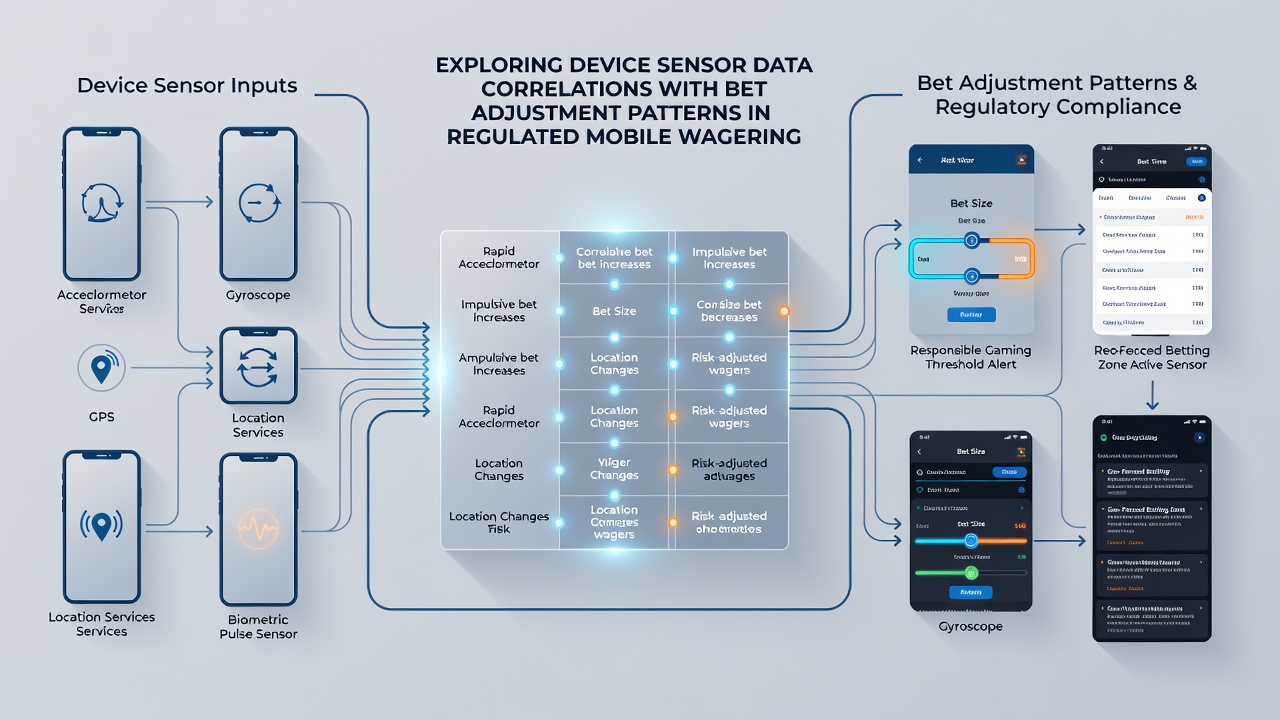
Users frequently increase stake amounts when accelerometer variance stays low for extended intervals, indicating minimal device movement, whereas rapid gyroscope fluctuations tend to precede smaller wager reductions in the same session. GPS data reveals that bet sizes sometimes rise when users enter designated entertainment districts yet drop when crossing into residential zones where signal accuracy changes. Studies tracking thousands of sessions show that ambient light decreases after sunset correlate with steadier bet sizing, while sudden brightness spikes from notifications link to more frequent stake modifications within minutes of the alert.
Observed Correlations Across Multiple Datasets
Analysis of aggregated logs from regulated operators indicates moderate positive associations between prolonged low-movement sensor readings and larger average bet adjustments during live event wagering, although these links weaken when users switch between portrait and landscape orientations repeatedly. Researchers at institutions including the University of Sydney have examined similar datasets and reported that location-based transitions coincide with stake recalibrations in roughly 28 percent of tracked sessions, particularly when crossing time zone boundaries during travel. Gyroscope spikes lasting under three seconds often precede conservative bet reductions, whereas sustained stillness lasting beyond fifteen minutes aligns with incremental increases in many European and Asian regulated apps.
Regulatory Oversight and Compliance Mechanisms
Regulators in Canada and parts of the European Union require operators to maintain audit trails that separate sensor-derived insights from direct betting records, ensuring personal movement data receives the same encryption standards applied to financial transactions. In July 2026 the Alcohol and Gaming Commission of Ontario expanded its technical standards to mandate quarterly reviews of sensor correlation reports, while Australian authorities aligned their guidelines with similar disclosure intervals. These frameworks prevent operators from using raw sensor streams for individualized marketing yet permit aggregate analysis that informs responsible gambling tool development.
Technical Implementation in Licensed Platforms
Development teams integrate sensor APIs through secure middleware layers that anonymize individual identifiers before correlation engines process the combined streams. Machine learning models trained on historical session data identify clusters where accelerometer stability precedes stake increases, and platforms flag these patterns for internal compliance teams without exposing raw coordinates. Several operators now embed real-time alerts that notify users when their device movement patterns deviate from established baselines, a feature rolled out widely after the July 2026 regulatory updates.
Future Research Directions and Industry Reports
Academic groups continue to examine how environmental factors captured by device sensors interact with bet timing across different device models and operating systems. Trade associations such as the European Gaming and Betting Association have published summaries showing that sensor correlation studies remain concentrated in markets with mature licensing regimes, while emerging jurisdictions prepare similar data collection protocols. Observers note that cross-referencing sensor logs with transaction timestamps provides clearer visibility into session dynamics than transaction data alone.
Conclusion
Device sensor data and bet adjustment patterns intersect in measurable ways within regulated mobile wagering environments, and ongoing compliance updates in 2026 have formalized how operators handle these combined datasets. Continued examination by research institutions and regulatory bodies supplies the factual foundation for understanding these relationships without compromising user privacy standards.