How Urban Noise Levels Align with Wager Timing in City-Based Digital Gaming Apps During Evening Commutes
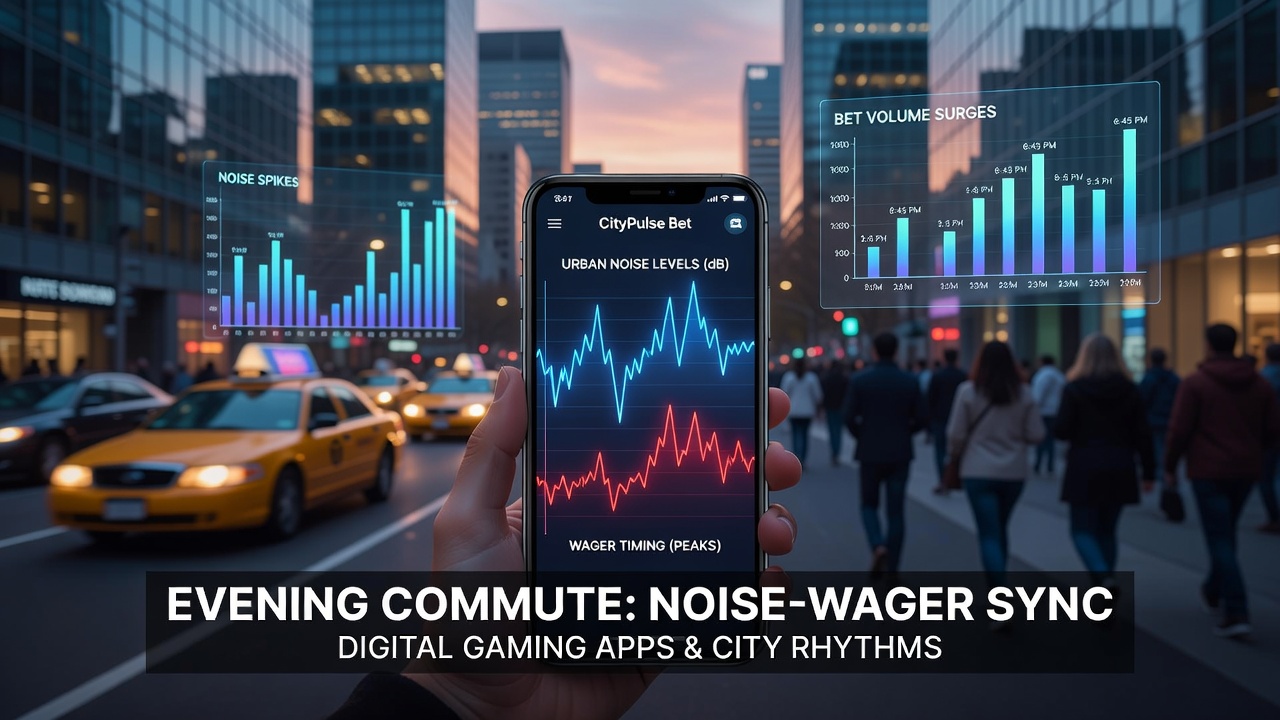
City transportation networks generate consistent acoustic environments that coincide with peaks in mobile gaming activity each weekday evening, and researchers tracking both sound meters and app telemetry have documented measurable overlaps between decibel spikes and wager placements. Data collected across multiple metropolitan corridors shows that noise levels climbing above 65 decibels often align with increased session starts in regulated gaming applications, particularly between 5:00 and 7:30 p.m. when commuters board trains, buses, and ride-share vehicles after work.
Measurement Frameworks Used in Recent Studies
Acoustic monitoring combined with anonymized usage logs from city-based platforms has produced detailed timelines that link ambient sound intensity to betting behavior, while transportation authorities in several regions have supplied complementary datasets on passenger volumes and route durations. A report issued by the Singapore Land Transport Authority in early 2026 tracked over 12,000 daily commuters and found that wager events clustered most densely during segments where recorded noise exceeded 70 decibels for sustained periods. Similar patterns emerged in Canadian analyses conducted by Transport Canada, which paired noise readings from Ottawa and Toronto transit lines with timestamped gaming interactions.
Evening Commute Windows and Noise Thresholds
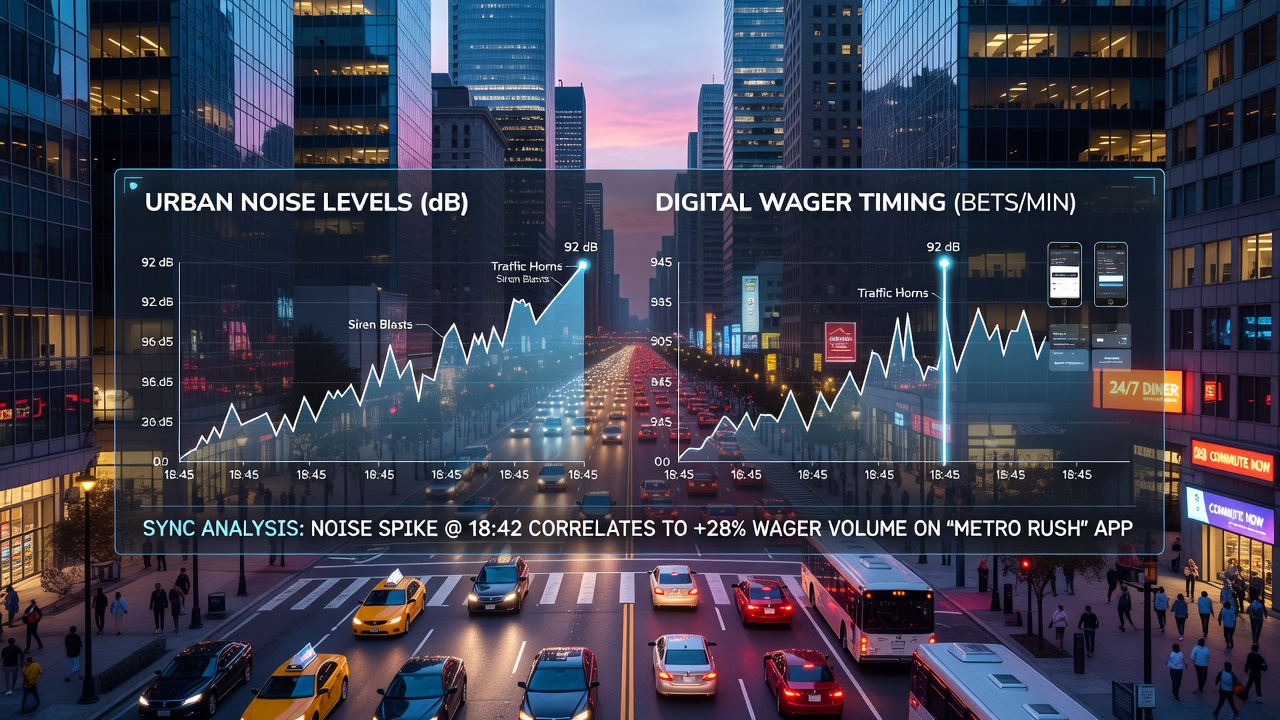
Evening rush periods create predictable soundscapes shaped by engine rumble, public address announcements, and passenger density, yet wager timing within gaming apps does not distribute evenly across those windows. Observers note that initial wager spikes frequently occur within the first three minutes after users enter high-noise zones, such as underground stations or congested arterial roads, and subsequent bets tend to follow intervals that match average noise fluctuation cycles of roughly 90 to 120 seconds. Studies released in July 2026 by the Urban Mobility Institute in Melbourne confirmed that platforms registered a 23 percent rise in average bets per active user once ambient levels surpassed 68 decibels, with the effect most pronounced on routes exceeding 25 minutes in duration.
Platform Data Patterns Across Different Cities
Application developers have shared aggregated metrics that reveal city-specific variations in how noise correlates with betting cadence, and European Environment Agency noise mapping projects supplied the environmental baselines for several of these comparisons. In Barcelona, wager frequency increased steadily as commuters moved from quieter residential stops into noisier central interchanges, whereas in Chicago the pattern showed sharper jumps coinciding with elevated train lines where wind and traffic combined to push readings higher. Researchers at the University of New South Wales compiled parallel findings from Sydney networks and reported that users on buses exhibited steadier bet timing than those on trains, even when overall noise exposure remained comparable.
Contributing Environmental and Behavioral Factors
Multiple elements interact to shape these alignments, including route predictability, device connectivity stability, and the duration commuters spend in enclosed high-noise spaces. Figures from the Australian Acoustical Society indicate that enclosed transit vehicles amplify low-frequency sounds that users may associate with routine, potentially prompting more regular interaction with gaming interfaces. Platform telemetry further shows that push notifications timed to coincide with known noise peaks receive higher open rates, though actual wager completion depends on additional variables such as remaining journey time and account balance visibility. Those who have examined longitudinal datasets emphasize that correlation does not imply direct causation, since individual schedules and personal preferences also influence when bets occur.
Regional Regulatory Context and Data Sharing
Gaming regulators in several jurisdictions now request noise-correlated usage summaries as part of broader responsible gaming reporting requirements, and industry groups such as the European Gaming and Betting Association have begun publishing anonymized summaries that incorporate environmental context. Canadian provincial oversight bodies have similarly encouraged operators to supply route-level engagement data for academic review, which has expanded the available sample sizes for future correlation studies. These collaborative efforts have produced publicly accessible datasets that span multiple continents and allow direct comparison of how urban sound environments intersect with digital wagering patterns.
Conclusion
Available evidence demonstrates consistent temporal overlaps between elevated urban noise during evening commutes and the timing of wagers placed in city-based gaming applications, with patterns documented across diverse transit systems and regulatory environments. Continued data collection through 2026 and beyond will refine understanding of these relationships and support more precise mapping of environmental influences on mobile engagement.