Patterns of Risk Management Adoption in Mobile Poker Communities During Major Tournaments
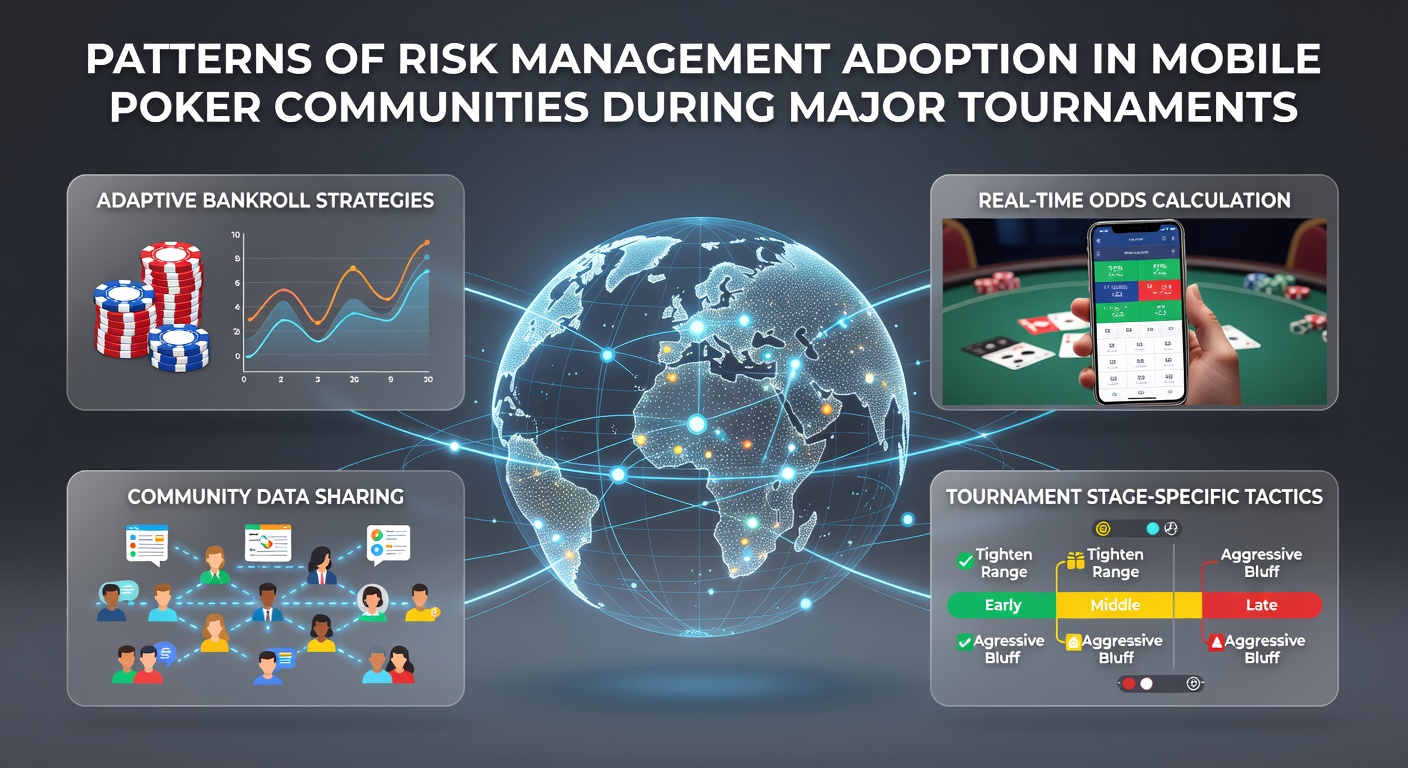
Patterns of risk management adoption in mobile poker communities have evolved considerably as major tournaments expand their digital reach, and data collected through app analytics shows increased engagement with built-in tools for bankroll tracking and session controls in the lead-up to events scheduled for May 2026. Communities centered on platforms that host qualifiers for large-scale competitions demonstrate consistent uptake of features such as deposit limits and loss thresholds, with usage rates rising sharply in the weeks before tournament starts according to aggregated user metrics from multiple providers.
Pre-Tournament Preparation Trends
Participants in mobile poker networks often begin implementing structured risk protocols weeks ahead of major events, and this preparation includes setting predefined budgets tied to entry fees while cross-referencing historical performance data from similar past tournaments. Studies conducted by academic researchers at the University of Sydney indicate that users who activate automated alerts for spending milestones exhibit more stable participation patterns throughout qualification phases, and these alerts integrate directly with community forums where players share anonymized strategy logs. Observers note that regional differences emerge clearly here, with North American users favoring time-based session caps whereas European counterparts lean toward variance-adjusted stake adjustments.
In-Game Adjustments During Peak Events
Once tournaments commence, real-time risk management shifts toward dynamic monitoring of stack sizes and opponent tendencies, and mobile apps facilitate this through integrated dashboards that display running averages against community benchmarks. Figures from the Nevada Gaming Control Board reveal that adoption of these in-app analytics tools reached notable levels during the 2025 series, with a marked increase in users who combined them with external probability calculators. Players frequently toggle between aggressive and conservative modes based on remaining field size, while community chat channels serve as hubs for rapid dissemination of updated risk thresholds drawn from live hand histories.
Community Sharing Mechanisms
Mobile poker groups leverage shared repositories of risk templates that users adapt for specific tournament structures, and this collaborative approach accelerates the spread of effective practices across time zones. Research compiled by the Canadian Institute for Gaming Research highlights how peer-reviewed case studies from 2024 events demonstrate higher retention among participants who engage in these exchanges, particularly when templates incorporate probability distributions tailored to blind levels. What's interesting is the way geographic clusters form around preferred methods, with Australian users showing stronger preference for multi-account diversification strategies compared to other regions.
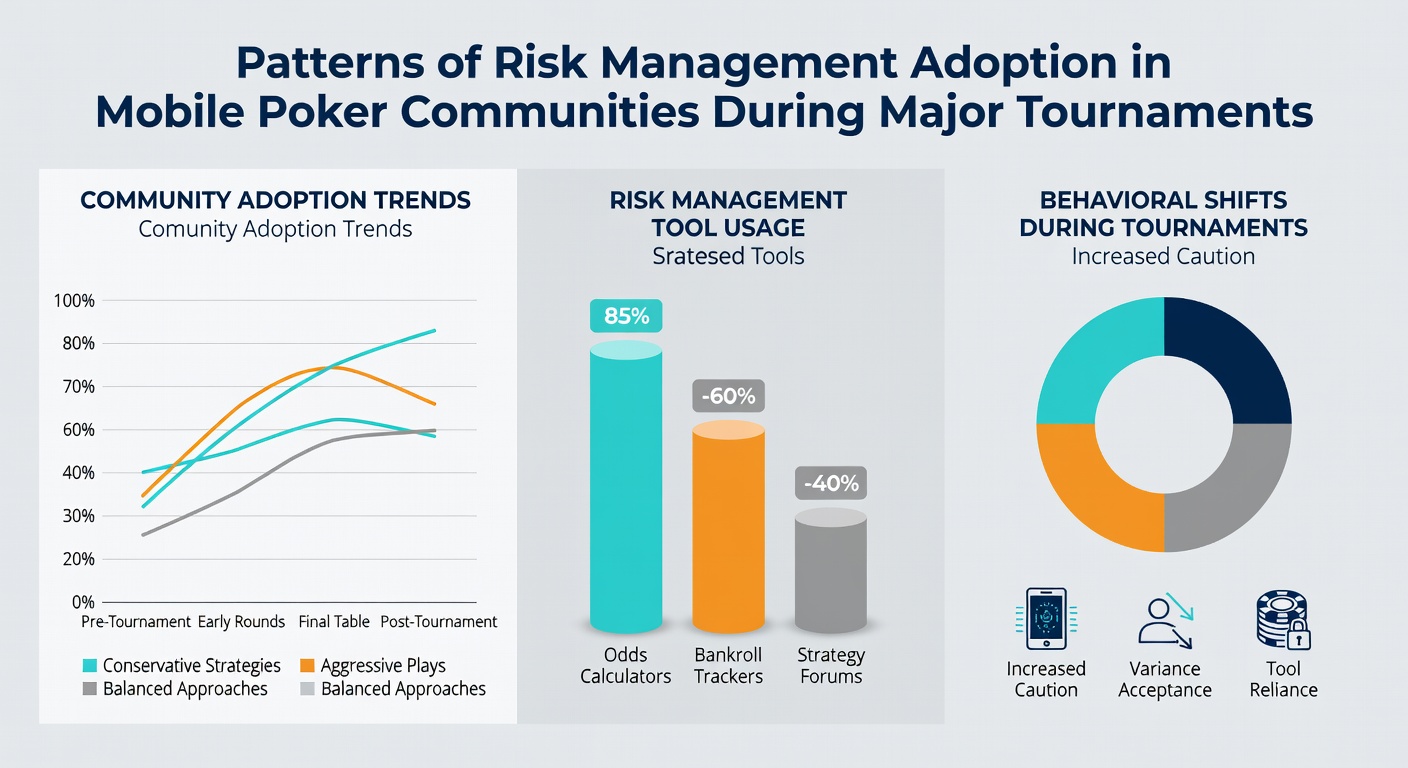
Integration of third-party risk assessment modules continues to grow, and these modules often sync with official tournament schedules to provide advance warnings about high-variance stages. Data indicates that communities with active moderation around shared advice maintain more consistent adherence rates, and this moderation draws from guidelines issued by international gaming associations focused on responsible participation frameworks.
Statistical Patterns Across 2026 Events
Analysis of user behavior leading into May 2026 qualifiers shows that risk management features see their highest activation rates among mid-stakes players, and this group tends to combine app-native controls with external spreadsheets for tracking multi-table commitments. Evidence from industry reports points to a correlation between early adoption and completion rates in satellite events, while late adopters display more variable outcomes tied to sudden limit changes. Communities that organize regular webinars on these tools report sustained engagement, and the content typically covers scenario modeling based on historical payout structures from prior years.
Conclusion
Overall patterns reflect a maturing ecosystem where mobile poker communities treat risk management as an embedded component of tournament preparation rather than an afterthought, and ongoing data collection from regulatory bodies and research institutions continues to refine understanding of these dynamics across diverse player bases.