Payment Method Selection Patterns and Their Correlation with Withdrawal Processing Speeds in Multi-Jurisdictional Digital Gaming Networks
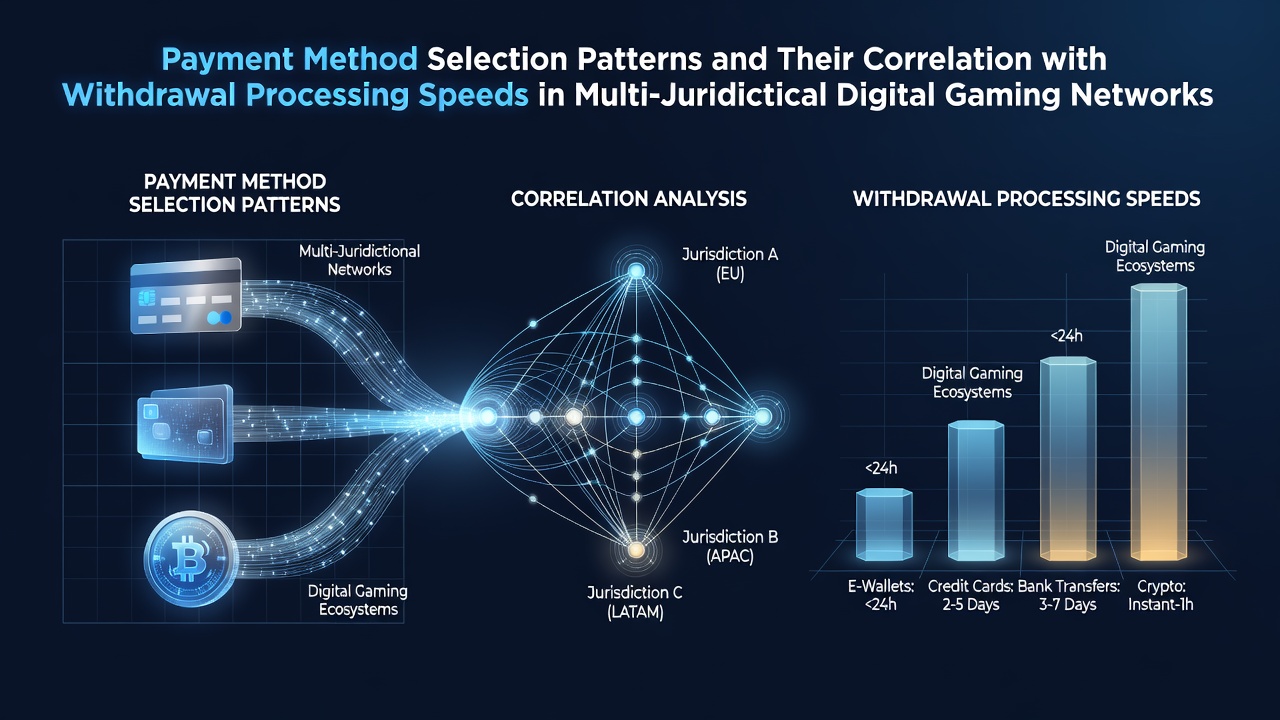
Digital gaming platforms operating across multiple jurisdictions show distinct patterns in how players select payment methods, and these choices often align with measurable differences in withdrawal processing speeds. Data from operators active in Europe, North America, and Asia-Pacific regions reveal that electronic wallets tend to facilitate quicker transactions while traditional bank transfers introduce longer delays due to compliance layers and intermediary steps. Researchers tracking these networks note that regulatory requirements in each market shape the available options and the timelines attached to each one.
Payment Options Commonly Selected in Cross-Border Gaming
Players in regulated markets frequently choose e-wallets such as Neteller or Skrill for both deposits and withdrawals because these systems bypass several banking verification stages. Credit and debit cards rank second in many regions, yet they trigger additional security checks that extend processing windows. Bank wires and prepaid vouchers appear less often in high-volume markets, while cryptocurrency options have gained traction in jurisdictions that permit them under specific licensing frameworks. Observers tracking July 2026 activity report that crypto adoption rates climbed in markets with clear digital asset rules, correlating with same-day or next-day payout confirmations in those areas.
How Jurisdictional Rules Shape Transaction Timelines
Multi-jurisdictional operators must comply with local banking laws, anti-money laundering protocols, and consumer protection standards that directly affect how quickly funds move. Markets with streamlined licensing processes, such as those overseen by the Malta Gaming Authority, often see faster approvals for e-wallet withdrawals compared with regions requiring multiple layers of documentation. In contrast, platforms serving Canadian provinces and Australian states encounter stricter identity verification sequences that add one to three business days to bank-linked transfers. Figures from industry reports indicate that these procedural differences create predictable speed gaps rather than random variation.
Documented Correlations Between Method Choice and Speed
Statistical reviews of operator data across 2025 and into July 2026 demonstrate that selections favoring e-wallets align with median withdrawal times under 24 hours in most European and Asian networks. Bank transfer choices, however, extend those medians to three to five business days, especially when cross-border currency conversion enters the process. Cryptocurrency withdrawals show the widest variance, with processing completed in hours in permissive jurisdictions yet delayed by exchange verification in others. One analysis of transaction logs revealed that players who consistently select the same method across sessions experience more stable timelines, while frequent switches between categories introduce additional review cycles.
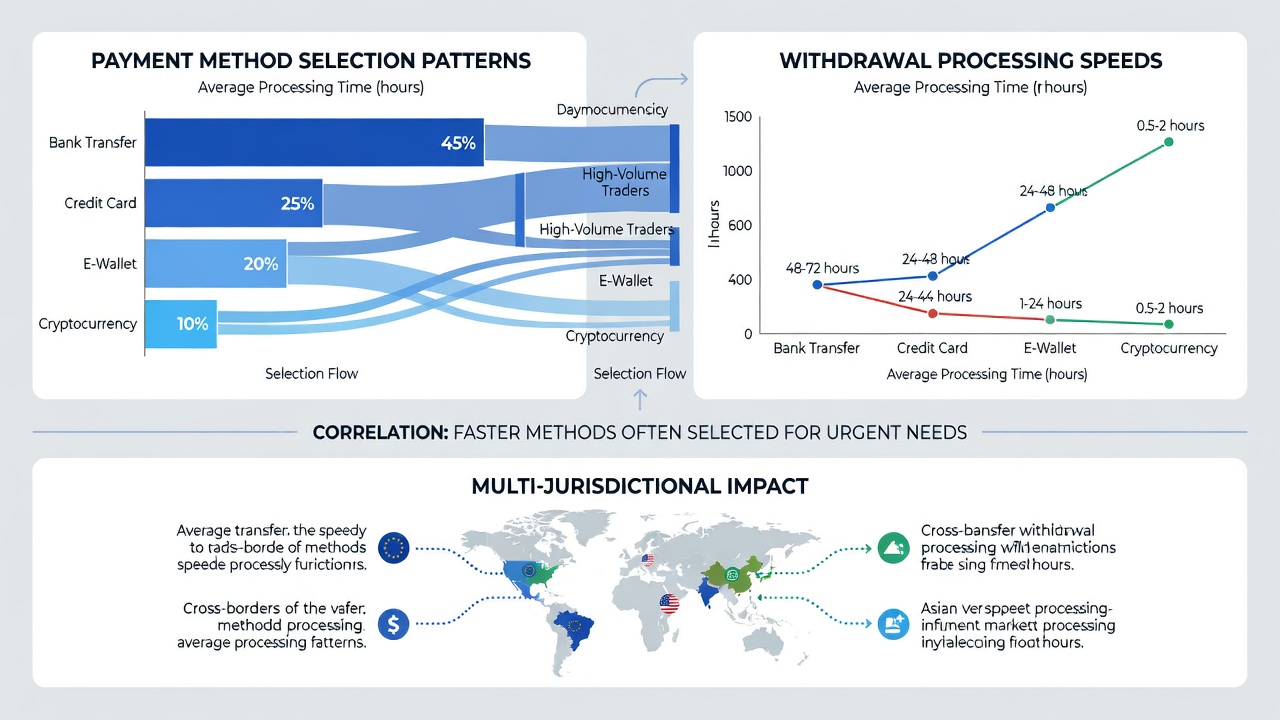
Those who studied platform logs across multiple countries found that seasonal peaks, such as major sports events, temporarily slow all categories because volume increases trigger extra compliance sampling. Yet the relative ordering of speeds remains consistent: e-wallets stay fastest, followed by cards, then bank methods. These patterns hold across different player demographics and bet sizes, suggesting the correlation stems primarily from infrastructure and regulation rather than individual behavior.
Regional Examples and Data Trends
Platforms licensed in multiple European countries report that players using local bank apps integrated with instant payment rails achieve faster results than those relying on international cards. In North American markets, state-by-state rules create patchwork timelines where the same payment method processes in two days in one jurisdiction and four days in another. Australian operators following rules from the Australian Communications and Media Authority show similar splits, with e-wallet users completing withdrawals more rapidly than those opting for traditional methods. A report published by the European Gaming and Betting Association highlights these regional differences through aggregated operator metrics collected through early 2026.
Another study conducted by researchers at the University of Nevada Reno examined transaction records from platforms serving both domestic and international users, confirming that method selection predicts processing duration more reliably than player tenure or account age. The findings underscore that infrastructure choices made by operators, combined with local oversight, drive the observed outcomes.
Conclusion
Payment method selection in multi-jurisdictional digital gaming networks follows identifiable patterns that track closely with withdrawal processing speeds. E-wallet dominance in faster categories, bank transfer delays in slower ones, and regulatory overlays across regions produce consistent correlations visible in operator data through July 2026. Platforms and players operating in these environments encounter these dynamics as structural features shaped by licensing, banking systems, and compliance requirements rather than isolated incidents. Continued monitoring of these trends provides clearer insight into how infrastructure and regulation interact within global gaming networks.