Regional Festival Timings and Their Influence on Promotional Structures Within Regulated Digital Gaming Markets

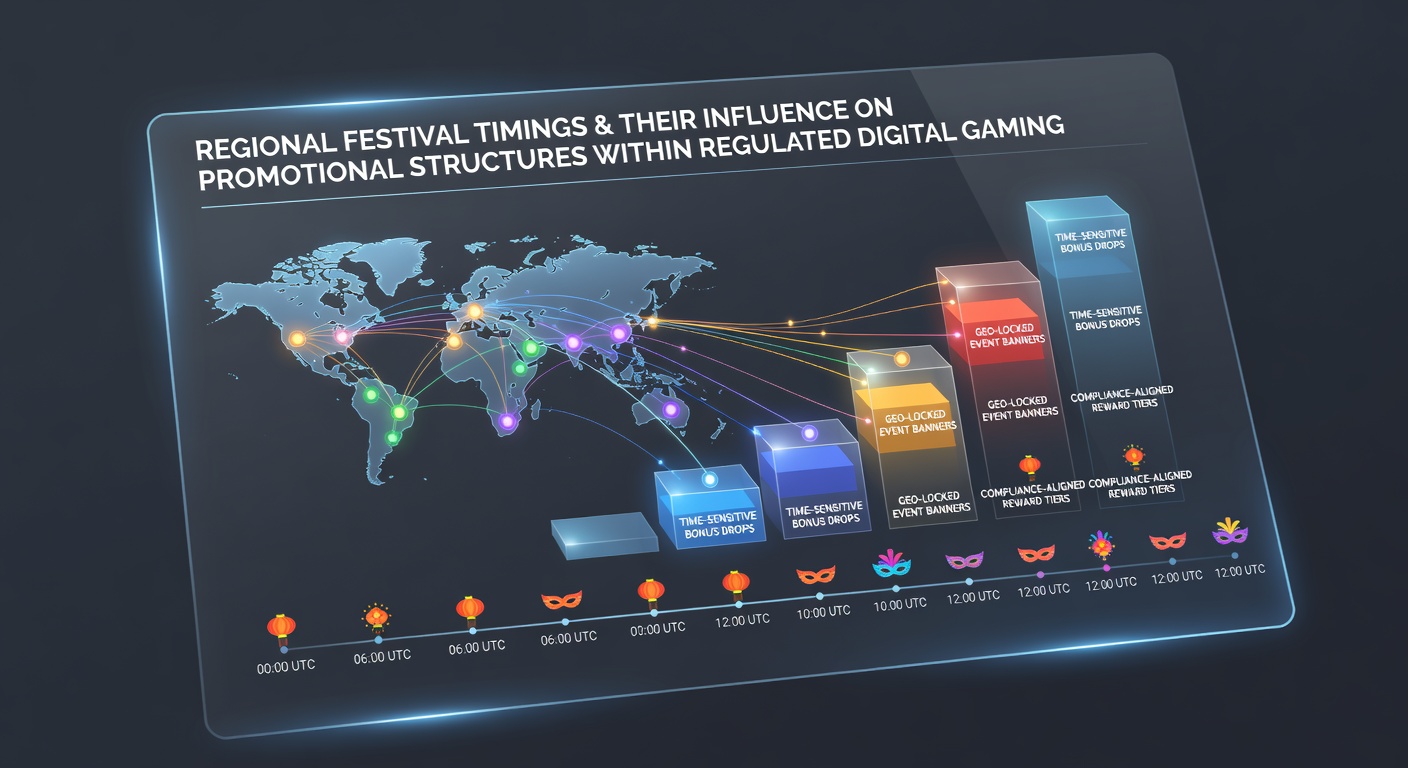
Regional festivals create predictable spikes in player activity across regulated digital gaming markets, and operators adjust promotional structures accordingly to align with those calendars. Data from multiple jurisdictions shows that bonus offerings, game releases, and wagering requirements often shift weeks before major events like Lunar New Year in Asia or Carnival in South America, because participation rates climb sharply during those periods. Regulators in several regions track these adjustments to ensure compliance with advertising and responsible gaming rules that remain in force regardless of seasonal demand.
Calendar Alignment in Asian Markets
Operators in Singapore and Malaysia time deposit match promotions and free spin packages around Lunar New Year, which falls between late January and mid-February depending on the lunar cycle. Figures from the Gambling Regulatory Authority of Singapore indicate that average session lengths increase by measurable margins during the two weeks preceding the festival, prompting platforms to front-load welcome bonuses and reload offers so players encounter them before travel and family obligations begin. Similar patterns appear in India ahead of Diwali, where state-regulated platforms increase cashback percentages on select slot titles while maintaining the same maximum stake limits required by local rules.
June 2026 brings additional complexity for operators serving Southeast Asian users, because several regional harvest festivals shift earlier that year due to lunar positioning. Platforms have already begun testing limited-time tournament structures that start in late May and conclude after the festival period, allowing them to satisfy both player demand and audit requirements that demand clear start and end dates for all promotional mechanics.
European Adjustments Around Summer Events
In southern Europe, midsummer festivals and national holidays prompt different promotional mechanics than winter events. Regulated markets in Spain and Italy see increased use of time-limited loyalty multipliers during June, while northern markets such as Sweden and Finland maintain stricter session limit defaults that do not change even when daylight hours extend. Operators report that the same player segments respond to different triggers depending on whether the festival emphasizes public celebrations or family gatherings at home.
Regulatory Oversight and Promotional Caps
European regulators require advance notification of any promotional changes that affect maximum bonus amounts or wagering requirements, which means festival-timed offers must be submitted for review weeks ahead of the actual event. This process creates a fixed lead time that operators factor into annual planning cycles. Data collected by the European Gaming and Betting Association shows that platforms operating across multiple EU member states maintain separate promotional calendars for each jurisdiction rather than a single unified schedule.
North American Patterns During Regional Celebrations
State-regulated markets in the United States align promotions with events such as Cinco de Mayo in certain western states and Juneteenth in others, while Canadian provincial operators focus on Canada Day weekend structures. These adjustments typically involve temporary increases in deposit bonus percentages that revert immediately after the holiday period ends. The Alcohol and Gaming Commission of Ontario publishes quarterly summaries that document how many new player accounts register during each major festival window, providing operators with baseline data for forecasting server load and bonus liability.
Because many North American jurisdictions cap the total value of welcome bonuses, operators often redirect festival budgets toward ongoing players through loyalty programs rather than new-user acquisition offers. This approach satisfies both regulatory caps and the higher retention rates observed during festival periods when existing users log in more frequently.
Cross-Border Considerations and Compliance Tools
Platforms licensed in multiple regions maintain internal databases that flag overlapping festival dates so conflicting promotional terms do not appear simultaneously. When one market enters a quiet period after its major festival, operators shift resources to another region entering its peak window. This rotation helps maintain consistent revenue streams while respecting each jurisdiction's distinct advertising and responsible gaming requirements.
Academic studies examining transaction data across time zones have documented that the highest concentration of deposits occurs in the 48 hours immediately before festival start dates, after which activity levels stabilize rather than drop off entirely. Operators use these patterns to calibrate the duration of time-limited offers so that funds remain available through the entire celebration period rather than expiring too early.
Conclusion
Regional festival timings directly shape how promotional structures operate within regulated digital gaming markets by dictating when bonuses appear, how long they last, and which player segments receive them. Regulatory frameworks in Asia, Europe, and North America require advance planning and transparent reporting, which means operators build festival calendars into compliance workflows rather than treating them as optional marketing events. The result is a system where promotional mechanics respond to predictable cultural cycles while remaining within the boundaries set by each licensing authority.