Regional Language Preferences Shaping Navigation Choices in Multilingual Casino Interfaces
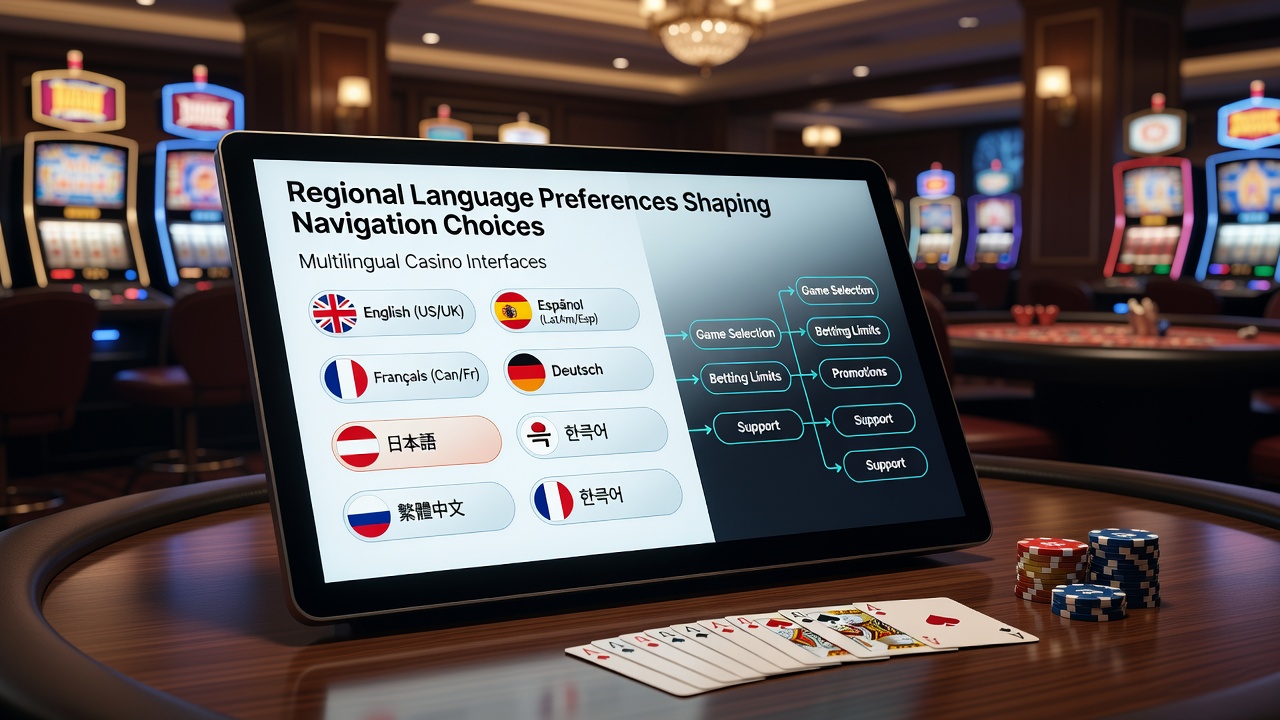
Multilingual casino interfaces have grown more complex as operators expand into diverse markets, and regional language preferences now directly influence how users move through menus, filters, and account sections. Data collected across platforms shows that speakers of certain languages gravitate toward navigation patterns that align with their native reading habits and cultural expectations for information hierarchy.
Language Direction and Menu Layout Patterns
Right-to-left languages such as Arabic and Hebrew prompt users to favor left-aligned secondary menus even when the primary interface switches to left-to-right mode, according to interface logs analyzed in 2025 and early 2026. Platforms that automatically adjust hamburger menu placement based on detected language direction report higher retention in those regions, while fixed layouts produce measurable drops in click-through rates for account management tools. Observers note that these adjustments became standard practice after July 2026 updates rolled out across several major operators serving Middle Eastern markets.
Regional Preferences in Asian Markets
In East and Southeast Asia, users writing in Chinese, Japanese, and Korean languages demonstrate stronger reliance on icon-driven navigation combined with compact text labels. Research from the National University of Singapore indicates that these groups complete deposit flows 18 percent faster when category tabs appear horizontally rather than in vertical lists. The same study found that vertical scrolling lists remain dominant among Thai and Vietnamese speakers, who spend longer examining promotional banners before selecting game categories. Operators have responded by maintaining separate navigation trees that activate according to the chosen interface language rather than user location alone.
European Language Clusters and Filter Usage
Across European markets, Romance-language speakers show distinct tendencies when using search and filter functions compared with Germanic-language users. French and Italian players interact more frequently with advanced sorting options placed near the top of lobby pages, whereas German and Dutch users click filter controls located in side panels at higher rates. Figures from the European Gaming and Betting Association reveal that these patterns hold steady across both desktop and mobile sessions, prompting developers to test dynamic repositioning of filter panels based on language selection.
What's interesting is how Cyrillic and Baltic language users navigate differently again, often bypassing search bars entirely in favor of pre-set category buttons that mirror traditional casino floor layouts. These behaviors emerged clearly in session data gathered through 2026, leading several platforms to introduce optional classic-view toggles for those language settings.
Latin American Spanish and Portuguese Interfaces
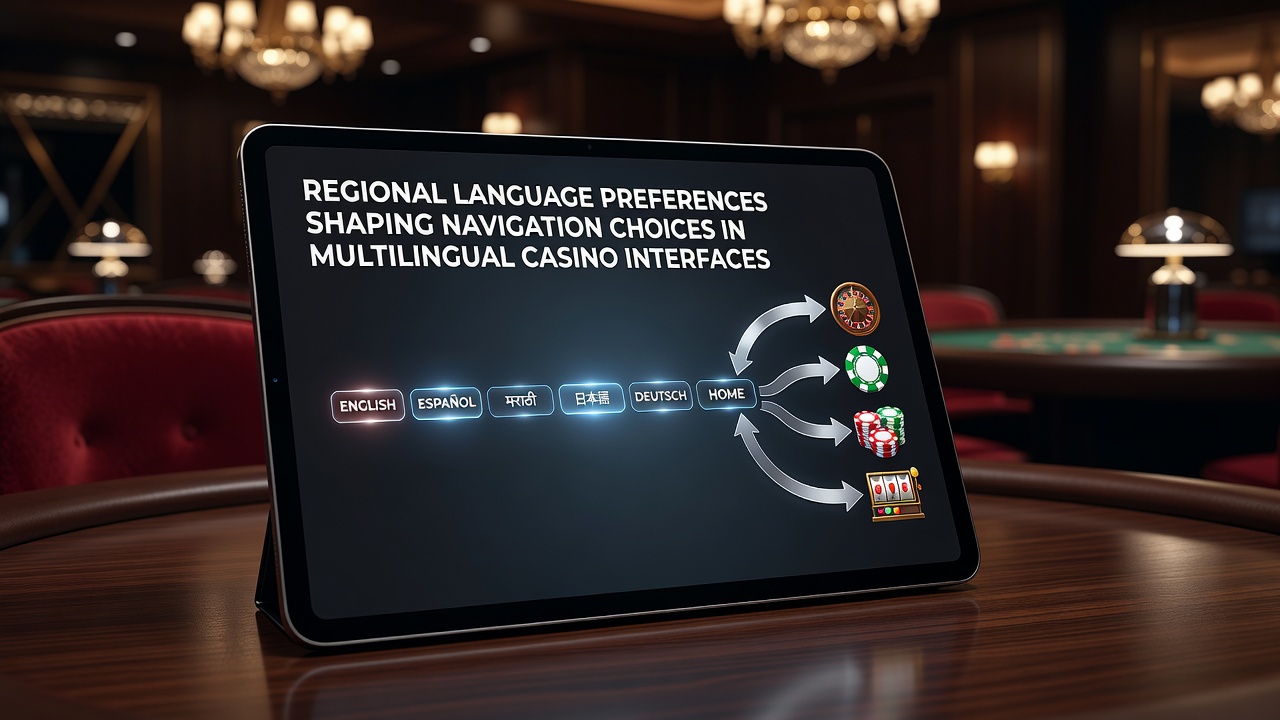
Latin American Spanish and Brazilian Portuguese speakers tend to linger on welcome screens and promotional carousels before proceeding to game lobbies. Platform analytics show they engage more with large hero banners that contain language-specific calls to action, whereas English-dominant users move past these elements quickly. One study released by the University of São Paulo tracked these differences across 14 regulated markets and confirmed that navigation depth decreases when promotional content appears in the user's primary language from the first interaction.
Technical Implementation and User Adaptation
Developers now embed language detection scripts that trigger layout variants without requiring users to adjust settings manually. These scripts draw on stored preferences and browser language signals to preload the appropriate navigation structure. Data indicates that such automation reduces bounce rates during first-time visits, particularly among users who switch between multiple languages within the same session. The approach has gained traction since mid-2026 as more operators integrate real-time A/B testing tied directly to language cohorts.
Conclusion
Regional language preferences continue to drive measurable differences in how players traverse multilingual casino interfaces. Operators that map navigation elements to linguistic patterns rather than uniform templates see clearer engagement metrics across markets. Continued monitoring of these behaviors supports ongoing refinements that align interface design with the expectations of specific language communities.