Shifts in demographic preferences reshaping reward structures within portable chance-based entertainment platforms
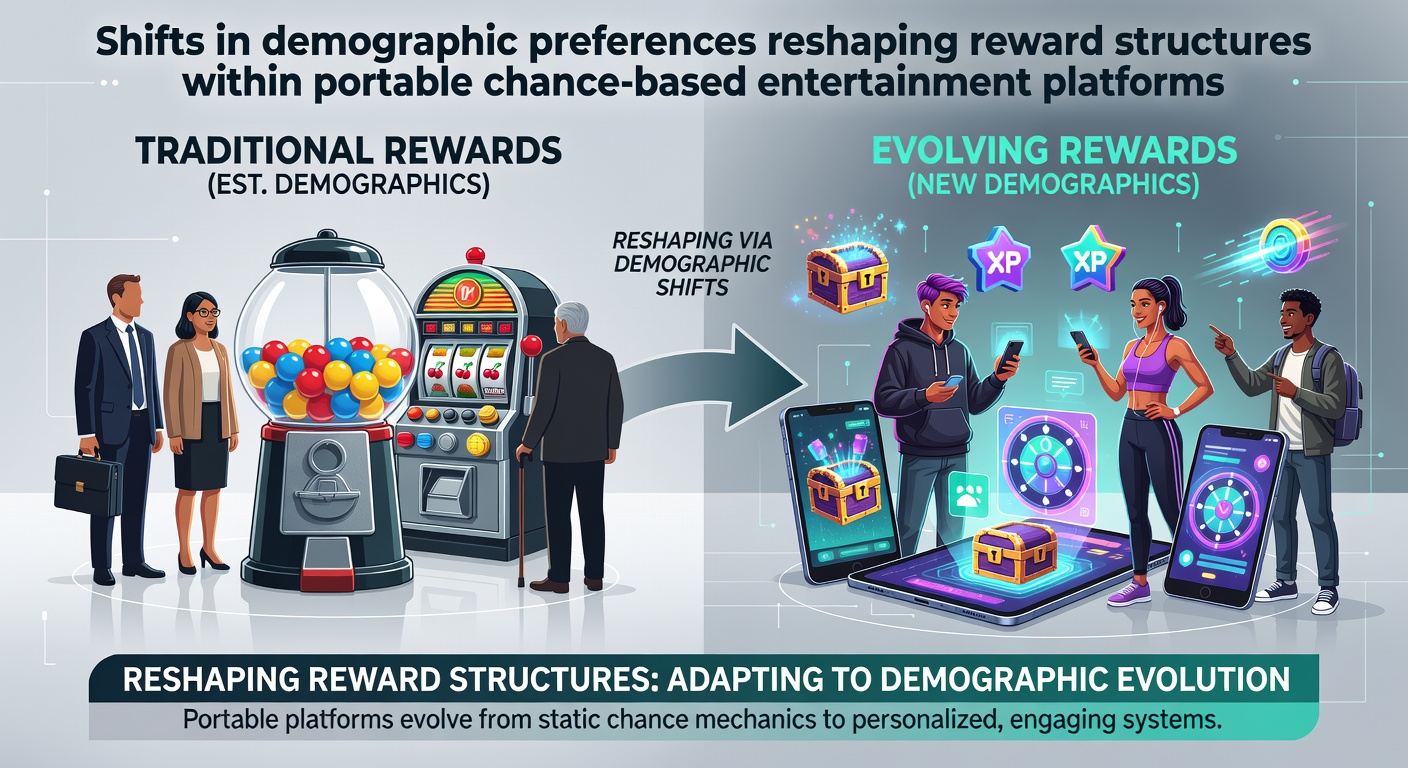
Portable chance-based entertainment platforms have seen notable changes in user bases since the early 2020s, with data from multiple jurisdictions indicating shifts toward younger adults and more balanced gender participation that directly influence how operators structure rewards and loyalty incentives.
Tracking demographic transitions in mobile platforms
Research from academic institutions and regulatory bodies shows that users aged 18 to 34 now represent the largest segment on many mobile apps offering slots and table games, while participation among those over 55 has declined relative to total active accounts in several markets. Figures released in June 2026 by the New Jersey Division of Gaming Enforcement revealed that mobile sessions from users under 30 increased by 18 percent year-over-year, prompting operators to adjust bonus structures away from traditional high-value tiered loyalty programs toward immediate, smaller-scale rewards such as instant cashback on losses and time-limited free spin bundles.
Gender distribution has also evolved, with female users comprising closer to 45 percent of active mobile accounts in regulated North American and Australian markets compared to earlier periods when male users dominated. This balance correlates with platform data showing greater preference for social integration features and narrative-driven game mechanics that tie into reward redemptions, leading developers to introduce collaborative challenges where participants earn shared multipliers rather than individual jackpots alone.
Adjustments to reward mechanisms based on observed preferences
Operators have responded by modifying playthrough requirements and introducing segmented promotions that reflect shorter session lengths typical among newer demographics. Data indicates that average session duration on portable devices dropped to under 12 minutes in several European and Asian regulated environments by early 2026, which encouraged the rollout of micro-rewards delivered within the first few spins rather than accumulation over extended play.
Personalization algorithms now prioritize user-selected preferences for reward types, with surveys conducted by industry groups demonstrating that younger cohorts favor cryptocurrency-based payouts and instant withdrawal options over traditional point accumulation systems. Platforms have implemented tiered entry points for these features, allowing new accounts to access limited crypto rewards after minimal deposits while maintaining compliance with regional verification standards.
Regional variations and platform responses
In Australian markets, reports from state-level commissions highlight how festival-timed promotions have been recalibrated to align with preferences among regional users who engage more during evening hours across different time zones. Mobile apps have integrated location-based incentives that trigger during commuting periods, delivering bonus rounds tied to specific geographic data without requiring extended commitment.
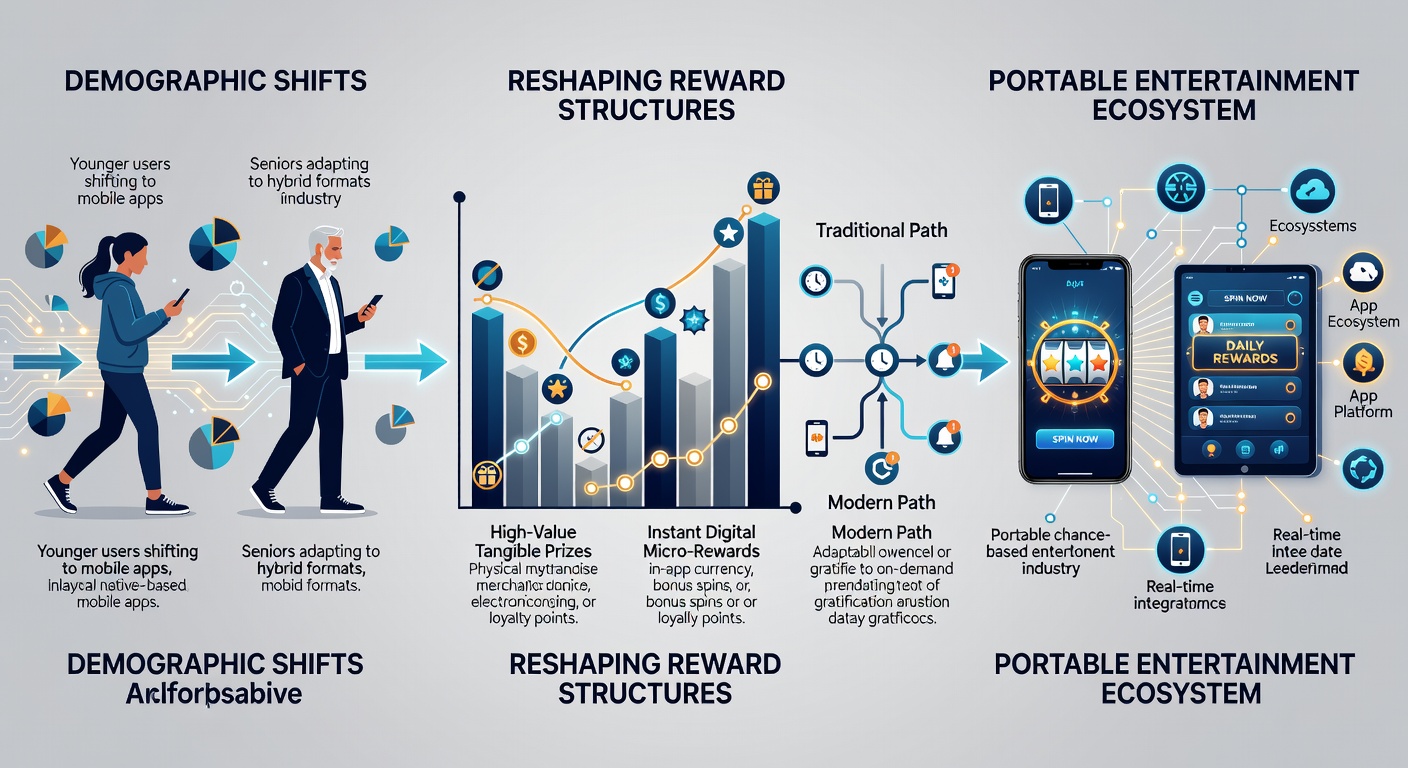
North American operators, drawing from data shared through the American Gaming Association, have expanded reward catalogs to include merchandise and event tickets alongside monetary options, responding to feedback that certain demographics value experiential redemptions. These changes appear alongside updates to wagering calculations that reduce minimum playthrough thresholds for mobile-exclusive titles.
Impact on retention and engagement metrics
Studies from research organizations indicate that platforms incorporating demographic-specific reward tiers report higher retention rates among the 18-34 cohort, with engagement metrics showing increased frequency of logins when rewards emphasize quick feedback loops. Retention data from Canadian provincial regulators further suggests that flexible reward expiration policies, allowing users to bank smaller incentives across multiple sessions, have become standard in response to observed play patterns.
Cross-border operators have begun testing hybrid structures that blend traditional progressive elements with demographic-targeted side games, where participants from different age groups receive tailored entry conditions based on historical session data. This approach maintains overall prize pool integrity while addressing varied risk tolerances documented in platform analytics.
Conclusion
Demographic shifts continue to drive measurable adjustments in how portable chance-based platforms allocate rewards, with evidence from regulatory reports and industry analyses confirming adaptations in bonus design, payout timing, and personalization features. These developments reflect responses to documented user behaviors across multiple jurisdictions without altering core game mathematics or regulatory compliance frameworks.