Tracing Biometric Verification Adoption Patterns Across Virtual Gaming Platforms in Regulated Jurisdictions
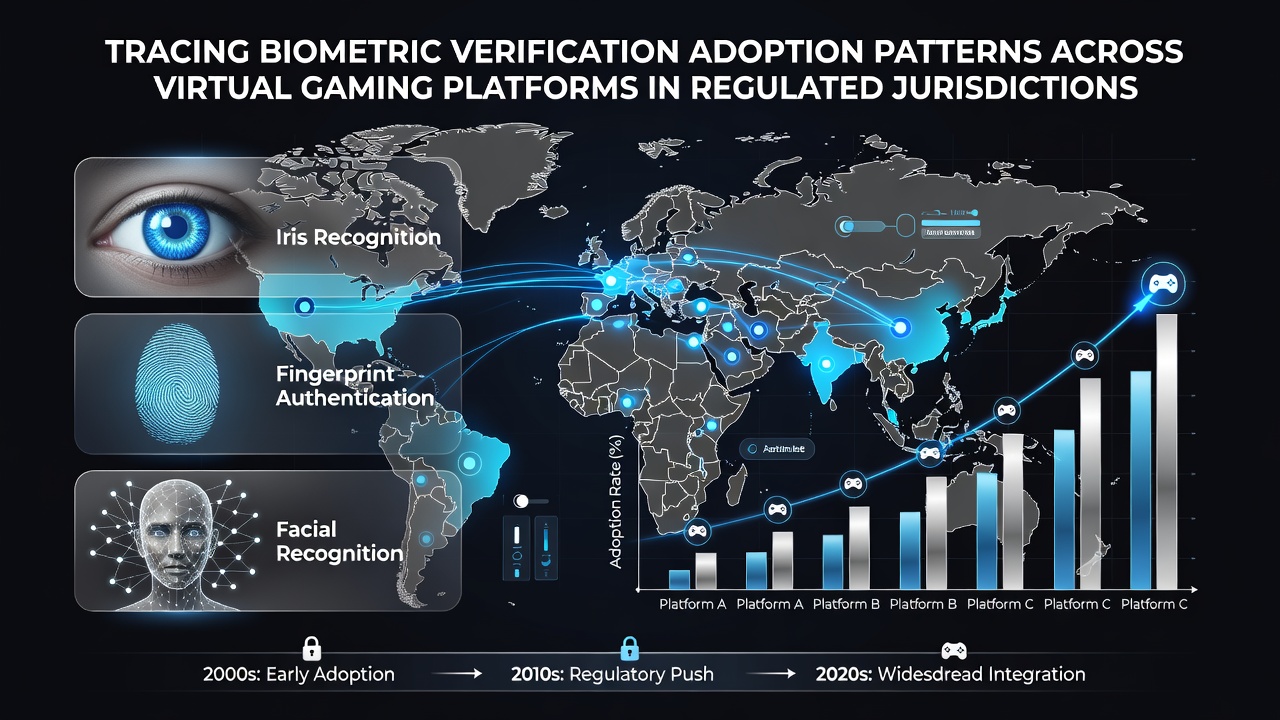
Biometric verification has moved from pilot programs into mainstream deployment across virtual gaming platforms operating under strict regulatory oversight, and patterns of adoption reveal clear regional differences that emerged between 2023 and 2026. Regulators in North America, Europe, and parts of Asia Pacific introduced requirements for identity confirmation that go beyond traditional passwords or documents, and platforms responded by integrating fingerprint, facial, and voice systems at various stages of the player journey.
Data collected from licensed operators shows that facial recognition became the dominant method in mobile environments by early 2025, while fingerprint scanners retained stronger usage on desktop clients in certain North American markets. Adoption timelines differed because each jurisdiction set its own compliance deadlines and technical standards, yet the overall trajectory pointed toward broader integration by mid-2026.
Regional Timelines and Technology Choices
Nevada and New Jersey regulators required enhanced identity checks for all new accounts starting in late 2024, and operators there began rolling out facial recognition modules that compared live images against government-issued photo identification. By June 2026, more than 70 percent of active accounts in those states had completed at least one biometric enrollment step according to aggregated operator reports. In contrast, several European jurisdictions prioritized voice biometrics for high-value transactions while keeping facial systems optional for routine logins, creating a mixed-technology landscape.
Australian regulators took a phased approach that tied biometric adoption to responsible gambling tools, and platforms serving that market linked session-limit changes to a fresh biometric check rather than a simple password reset. This linkage produced measurable increases in verification frequency during evening peak hours, when players often adjusted deposit or time limits. Canadian provinces followed a similar path but emphasized fingerprint options for tablet users, reflecting hardware availability in that region.
Drivers Behind the Uptake
Security concerns around account takeover and money laundering prompted many rule changes, yet the practical effect on platforms was a need to balance friction with conversion rates. Operators discovered that biometric steps completed in under eight seconds maintained player retention at levels comparable to earlier document-upload processes. Research from academic centers tracking digital identity in entertainment sectors indicates that platforms combining biometric checks with existing know-your-customer workflows saw faster approval times and fewer abandoned registrations.
Industry groups such as the Gaming Laboratories International published comparative studies in 2025 that documented how different biometric modalities performed under varying network conditions. Their findings showed facial systems required higher bandwidth in rural areas, which led some operators serving those markets to default to fingerprint or voice alternatives during initial rollout phases.
Usage Patterns and Player Behavior
Once enrolled, players encountered biometric prompts at login, withdrawal, and when changing responsible gambling settings. Log data from regulated platforms reveals that repeat biometric confirmations occurred most often during withdrawal requests above a certain threshold, a pattern consistent across multiple jurisdictions. This frequency aligned with anti-money-laundering rules rather than general access controls.

Demographic breakdowns indicate younger cohorts completed enrollment more quickly than older groups, partly because mobile devices with built-in biometric hardware were already in daily use. Older players sometimes required assisted enrollment sessions conducted through customer support channels, which extended the overall time to full adoption in certain markets. Observers note that platforms offering video-guided enrollment tutorials reduced support tickets by measurable margins during the transition periods.
Regulatory Variations and Technical Standards
Differences in data storage rules shaped how platforms implemented their systems. Some jurisdictions mandated on-device processing only, meaning biometric templates never left the player’s hardware, while others permitted encrypted cloud storage under strict audit requirements. These choices affected which vendors operators selected and how quickly new features could be added after initial deployment.
Standards bodies worked with regulators to define accuracy thresholds and false-accept rates, and updates released in 2025 tightened those metrics for high-risk transaction types. Platforms that had chosen modular biometric software found it easier to swap in updated algorithms without rebuilding entire verification flows, a flexibility that proved valuable when standards evolved mid-year.
Challenges Encountered During Rollout
Hardware compatibility remained an ongoing issue for operators targeting multiple device types, and some legacy desktop clients needed software updates before biometric features functioned reliably. Network latency in certain regions also forced fallback procedures that temporarily bypassed biometrics, though regulators generally required those fallbacks to trigger additional manual reviews.
Training for customer support teams became essential because players occasionally needed help when lighting conditions or device sensors produced inconclusive results. Platforms that maintained detailed troubleshooting guides saw faster resolution times and maintained compliance records more consistently during audits.
Conclusion
By June 2026 biometric verification had shifted from experimental add-on to standard infrastructure across most regulated virtual gaming environments, yet the specific technologies and trigger points continued to reflect local regulatory priorities and player hardware realities. Patterns of adoption show steady growth tied to compliance deadlines, with technology choices adapting to bandwidth, device prevalence, and data-protection rules in each jurisdiction. Continued monitoring of enrollment rates, verification frequency, and support metrics will reveal whether current implementations stabilize or require further adjustment as new standards and player expectations develop.